Pennsylvania Invests $125 Million in Robotics, AI and Innovation Through Innovate in PA 2.0
New state program will expand venture capital, accelerate technology commercialization and strengthen Pennsylvania’s robotics and technology ecosystem.
Image Courtesy: Public Domain
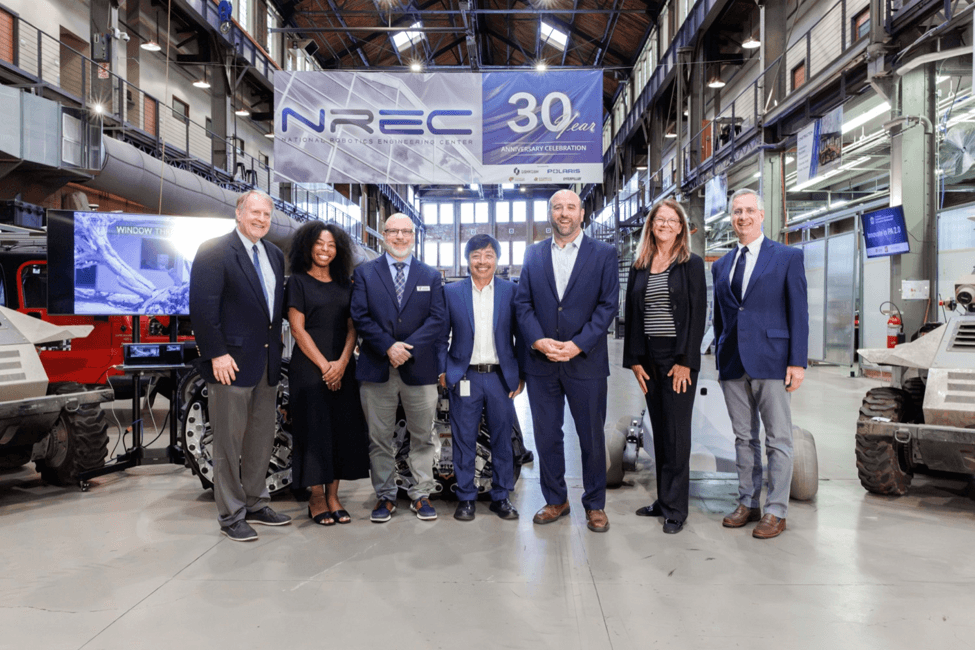
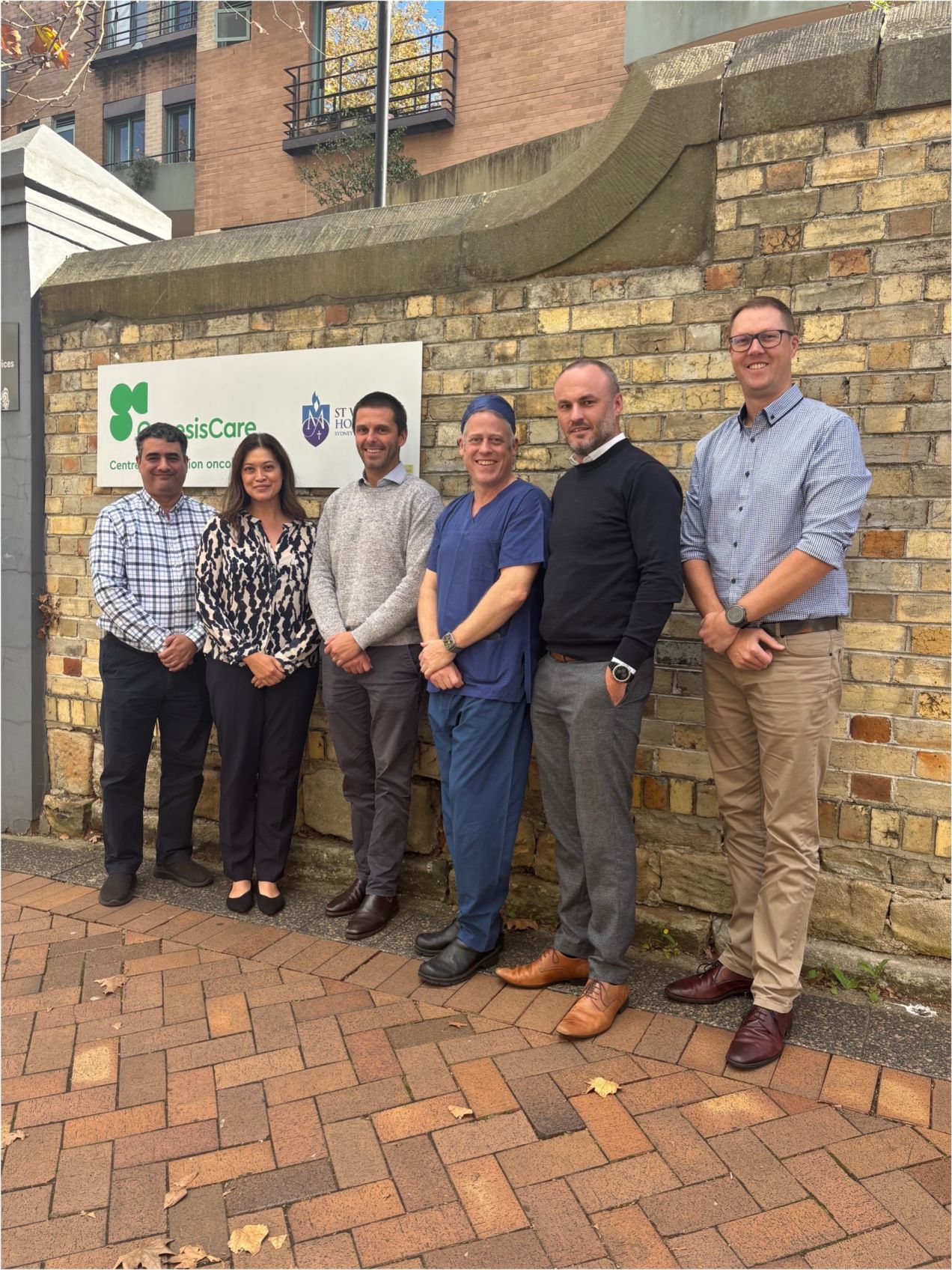
Department of Community and Economic Development (DCED) Secretary Rick Siger joined Carnegie Foundry LLC at the National Robotics Engineering Center (NREC) at Carnegie Mellon University’s Robotics Institute in Pittsburgh to highlight how the 2026-27 budget signed by the Governor will deliver $125 million to create the Innovate in PA 2.0 program and invest in Pennsylvania’s robust innovation economy – particularly in the agriculture, energy, life sciences, manufacturing, and robotics and technology industries.
The new Innovate in PA 2.0 program will provide capital to expand access to venture capital, accelerate commercialization of research and new technologies, create a statewide network for clinical trials in the life sciences, strengthen regional innovation ecosystems, and enhance the Commonwealth’s innovation network to help companies succeed in Pennsylvania.
“Pennsylvania has long been a national leader in innovation, research, and technology,” said DCED Secretary Rick Siger. “Since day one, Governor Shapiro has been clear that Pennsylvania is open for business, and over the past three years, Pennsylvania has invested in our innovation economy to support key sectors like agriculture, energy, life sciences, manufacturing, and robotics and technology. Investments like the Innovate in PA 2.0 program make Pennsylvania stronger by providing opportunities for job creation and technological advancement.”
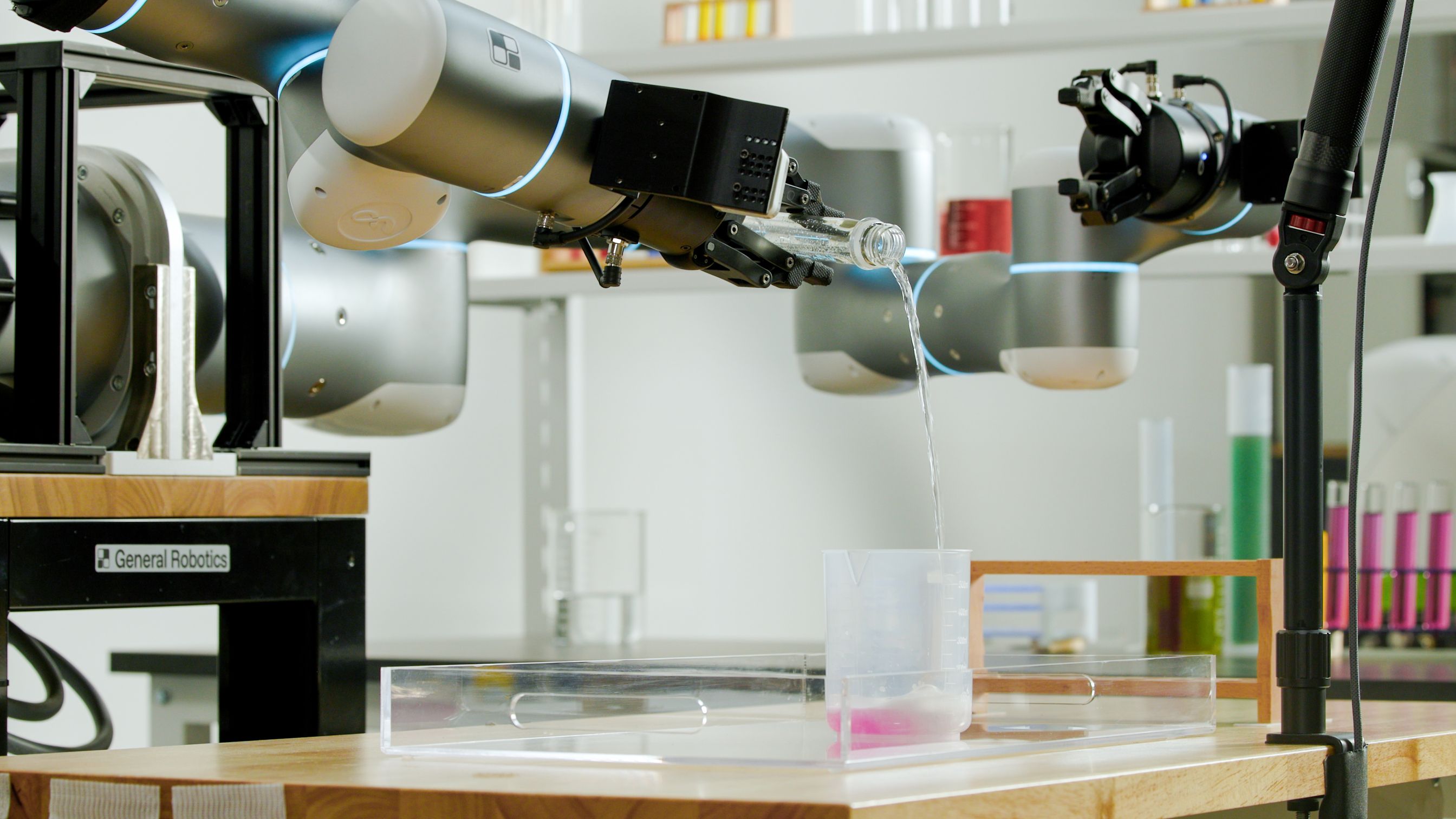
Carnegie Foundry LLC is a Pittsburgh-based robotics and artificial intelligence venture studio that builds companies transforming the physical and digital world. The venture studio provides business and technology consulting, creative ideation support for assistance in emerging and start-up companies, product development services, and business strategy consulting for companies of any size and at any stage. Partnering with NREC, a world leader in autonomous robotics commercialization at Carnegie Mellon University, the Carnegie Foundry offers specialized expertise, an innovative operating model, and partnership to the next generation of tech companies to help minimize engineering risks, reduce long lead times, and avoid high burn rates that are common points of failure for autonomation and robotics startups.
“We are grateful to have DCED Secretary Siger, Deputy Secretary Gilburg and other key leaders join us to see firsthand the cutting-edge AI and robotics technologies our team is commercializing to address urgent national issues, from financial fraud, to supply chain efficiency to the caregiving crisis and beyond,” said Dr. Robert J. Szczerba, founder and CEO of Carnegie Foundry. Our technology partnership with a world leader like Carnegie Mellon University, as well the support of key investors like United States Steel, Matthews International and Barber National Institute has been a major factor in our ability to create three new deeptech companies to date. Pennsylvania offers an unparalleled opportunity for entrepreneurs to found and grow the kinds of innovative companies that can disrupt industries.”
“Strategic investment by the Commonwealth 30 years ago was pivotal to our success in transitioning robotics technology to commercialization, resulting in several billions of dollars in net economic impact to the region,” said Herman Herman, director of NREC. “The Innovate in PA 2.0 program will have an even larger impact, by further accelerating Pennsylvania’s leadership in life sciences, AI and robotics. This program will help with the creation of new companies and jobs in these critical, growing areas.”
“Thanks to forward-thinking leaders, our world-class universities, and a smart and dedicated workforce, Pittsburgh and Western Pennsylvania continue to be ground zero for tech innovation, like the incredible work done at CMU’s Robotics Institute,” said Senator Wayne Fontana. I was proud to vote to create PA 2.0 Program in this year’s state budget and I look forward to seeing the amazing new developments that will sprout from our investment.”
“Innovate in PA 2.0 is an investment that strengthens Pennsylvania’s innovation economy by supporting entrepreneurs and creating new opportunities for good jobs and sustainable growth,” said Representative Lindsay Powell. “We’re making sure the next generation of groundbreaking companies can grow and succeed right here in the Commonwealth”
Investing in Pennsylvania’s Innovation Economy
The Shapiro Administration recognizes that Pennsylvania has always been a national leader in discovery and innovation — from Ben Franklin’s lightning rod to the polio vaccine. The Commonwealth has been a key supporter of that innovation, encouraging Pennsylvanians’ big ideas and funding many of our nation’s firsts, including the first public-private technology partnerships in 1983 and the first Agricultural Innovation Grant Program under Governor Shapiro in 2023.
Since taking office, the Shapiro Administration has been laser-focused on supporting Pennsylvania’s innovation ecosystem. Life sciences companies like Johnson & Johnson, Eli Lilly, Eurofins Lancaster Laboratories, B. Braun, and GSK have announced major expansions in Pennsylvania under Governor Shapiro’s leadership, bringing new jobs and investments in research and development into the Commonwealth.