KUKA Advances Physical AI With NVIDIA-Powered Simulation, Vision and Automation Software
KUKA is combining NVIDIA technologies with FactoryLens, iiQKA.AI Vision and KUKA AMP to connect digital twins, intelligent perception and industrial execution for next-generation manufacturing.
Image Courtesy: Public Domain
KUKA Group is demonstrating how simulation, AI, software and industrial automation are converging to help manufacturers bridge the gap between digital intelligence and real-world industrial execution.
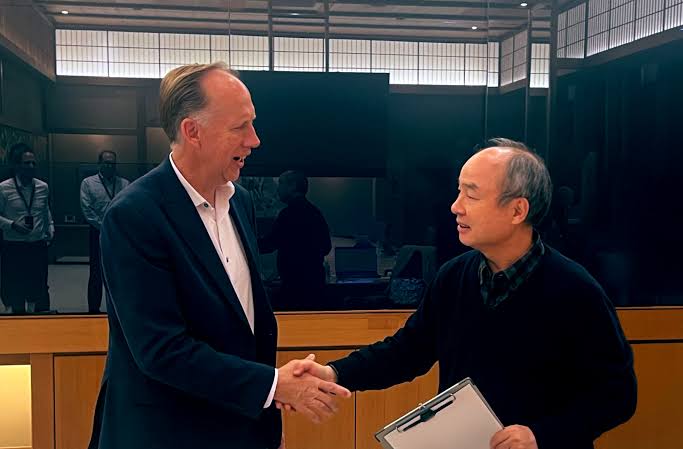
"Physical AI will fundamentally change how industrial systems are designed, programmed and operated," says Christoph Schell, CEO of KUKA Group. "The challenge now is not only creating intelligent models, but enabling them to operate safely, reliably and productively in real manufacturing environments. This requires a bridge between today's proven industrial automation and tomorrow's AI-driven systems. At KUKA Group we are calling this transformation Automation 2.0 and we are building that bridge through software platforms, simulation, robotics and AI."
From Simulation to Execution: Building the Bridge to Physical AI
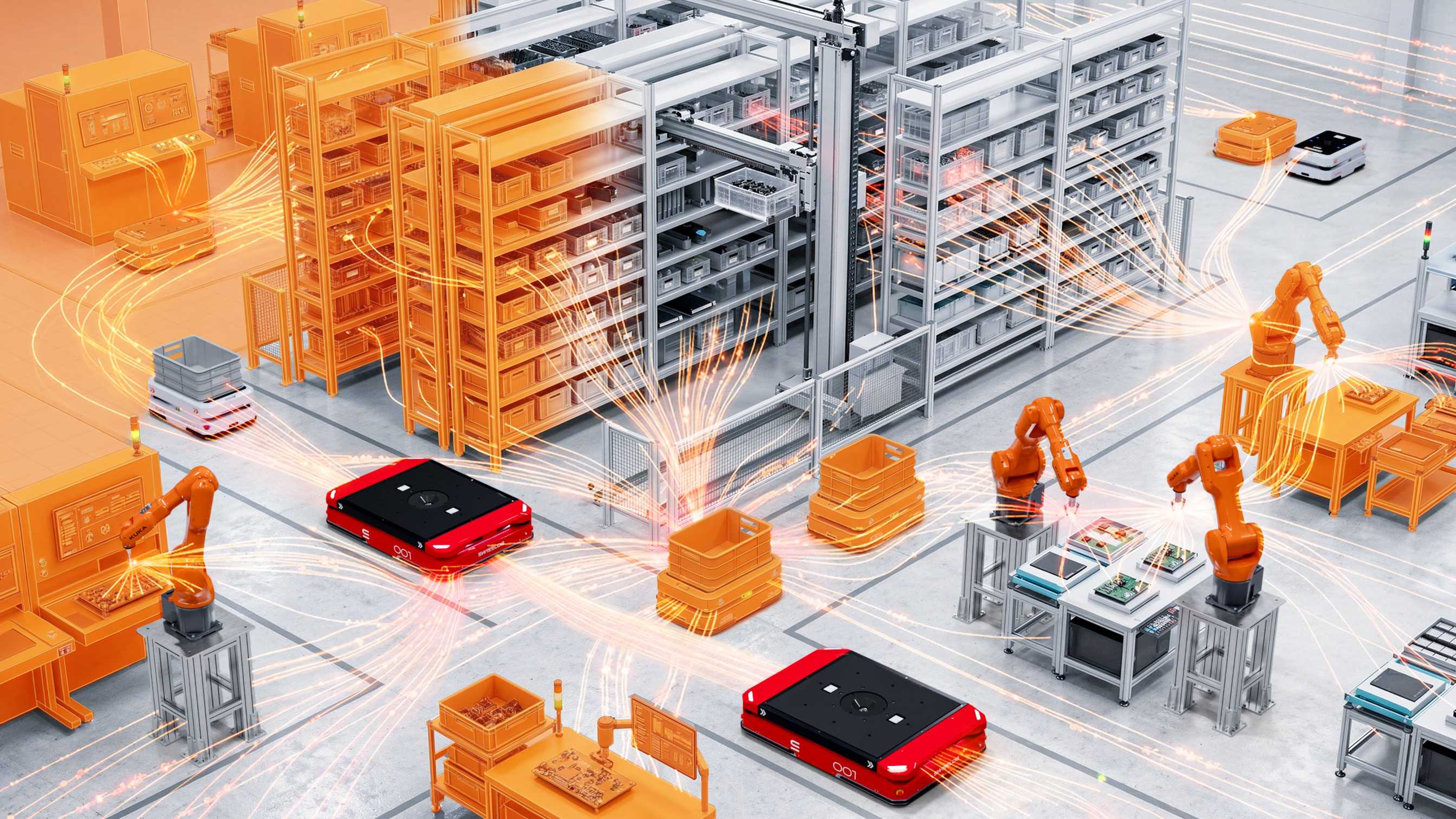
At GTC Berlin, Visual Components, a specialist in 3D manufacturing simulation and robot offline programming, is presenting FactoryLens, a new viewport built directly into its simulation platform, powered by Omniverse libraries.
Developed as the latest step in Visual Components' collaboration with NVIDIA, FactoryLens lets manufacturers take the factory layouts they already use for simulation and move directly into a more realistic digital-twin environment, with real-time rendering in the software they already use. Today's advanced manufacturing equipment, processes, and facilities are increasingly designed and tested first in simulation, and that validation is only as useful as how closely it reflects the real world. Visual Components provides 3D simulation software that lets manufacturers plan, validate, and optimise factory layouts before they are built, and FactoryLens extends those existing workflows into a more realistic digital-twin environment, inside the platform they already know. Rather than recreating factory models in separate visualization software, users can visualise their large-scale layouts in real time, control materials and appearance, record high-quality video, and export factory configurations using Universal Scene Description (OpenUSD) for use in compatible external environments, all without leaving Visual Components.
KUKA Advances Physical AI with Intelligent Vision Technology
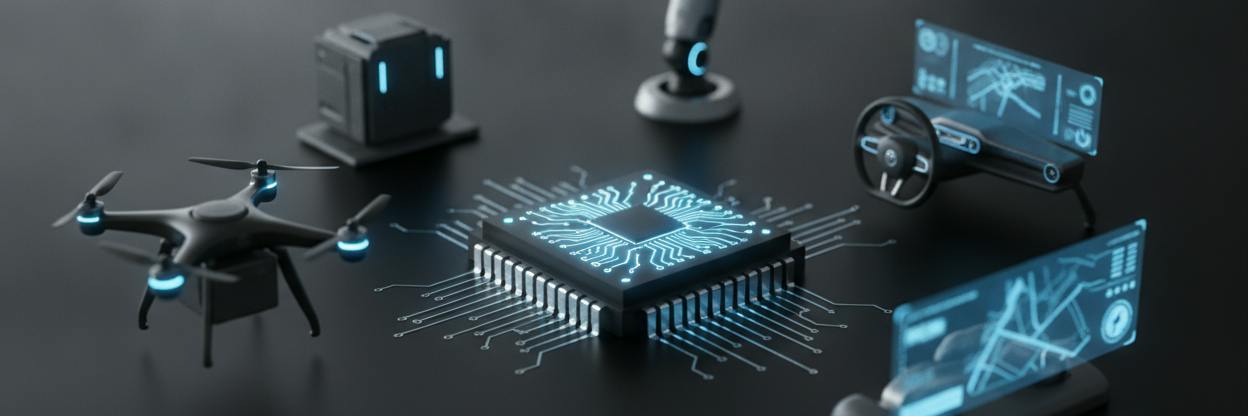
KUKA is also showcasing iiQKA.AI Vision, an AI-enabled vision solution powered by the NVIDIA Jetson Orin module and integrated directly into the KUKA controller environment. The solution enables robots and automation systems to identify objects, detect variations and interpret complex visual information more intelligently. This helps manufacturers to increase flexibility, improve quality and automate tasks that traditionally require significant human intervention or additional hardware. AI-powered perception is a key prerequisite for Physical AI because it enables automation systems to better understand and respond to real-world conditions.
KUKA AMP Orchestrates the Future of Intelligent Automation
While simulation creates the virtual foundation for Physical AI, KUKA Group is also developing software platforms that connect digital intelligence with industrial execution. KUKA unveiled KUKA AMP (Automation Management Platform) at NVIDIA GTC 2026 in March in San Jose and in July KUKA has successfully launched KUKA AMP at KUKA Toledo Production Operations (KTPO) in Ohio, marking a key milestone in bringing AI-powered automation into live automotive production. KUKA AMP enables the integration, management and orchestration of automation assets across different environments. Together with advanced simulation capabilities such as FactoryLens and AI-enabled applications such as iiQKA.AI Vision, platforms like KUKA AMP help manufacturers move from isolated automation systems toward increasingly connected, intelligent and adaptive automation environments.
“Our customers are not looking for AI experiments. They are looking for practical pathways to deploy AI safely and productively. Our role is to help them bridge the gap between today's highly reliable automation systems and tomorrow's intent-based manufacturing environments. That transition will not happen overnight, but it is already underway.” Christoph Schell, CEO KUKA Group
Automation 2.0: KUKA's vision for Physical AI
As an end-to-end automation solution provider, KUKA Group defines Automation 2.0 as the pathway to Physical AI: the evolution from traditional deterministic automation toward intelligent, intent-driven systems enhanced by AI. Rather than replacing proven industrial automation principles, Automation 2.0 extends them with perception, contextual understanding and adaptive decision-making capabilities, enabling machines and robots to better understand their environment, learn from operational data and act autonomously. With a portfolio spanning robotics, warehouse and healthcare automation, simulation, software, intralogistics and systems integration, KUKA Group is uniquely positioned to connect every stage of the automation lifecycle, from virtual design and validation to intelligent physical execution, creating the foundation for Physical AI at industrial scale.