Harpak-ULMA Introduces Robotic Loading Platforms for Automated Food Packaging
New hygienic robotic platforms integrate with Rockwell Automation PLCs to simplify product loading, packaging and plant-wide control.
Image Courtesy: Public Domain
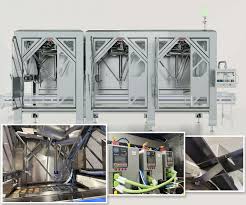
Harpak-ULMA introduces a family of robotic loading platforms that combine purpose-built hygienic construction with robot motion programmed directly in a Rockwell Automation PLC. Designed for applications including cheese, fresh meat and snacks, the platform brings robotic loading and packaging equipment into the same Logix programming environment, allowing plant teams to support both with familiar tools.
The platform locates, inspects, picks and loads food products for thermoforming, flow wrapping and tray sealing applications. Depending on the product and system configuration, loading rates can scale up to hundreds of packages per minute. A general-purpose configuration extends the offering to non-food product loading, including medical devices, as well as end-of-line case packing and cartoning.
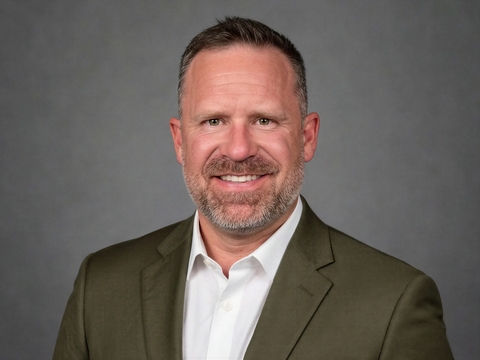
“Customers want the flexibility to automate different products and packaging formats without turning every new application into a ground-up engineering project,” said Kevin Roach, Chairman and CEO of Harpak-ULMA. “We built a repeatable platform that can adapt to the application and give customers a practical way to add robotics and build on that investment as their needs change.”
The hygienic configuration uses an open, bent-plate stainless steel structure without tubular framing. Sloped, self-draining surfaces limit water accumulation, while accessible components and utilities facilitate cleaning and inspection. IP69K-rated components support demanding washdown requirements.
Product-specific end-of-arm tooling is developed from a growing library of proven concepts. Application-selected 2D or advanced 3D vision guides product location and orientation, with optional inspection for presence, color, mass, defects, and feature verification.
In the standard Rockwell configuration, robot motion is programmed directly in the Rockwell Automation PLC using the same Logix environment as Harpak-ULMA packaging machines. Plant engineering and maintenance teams can therefore use a common set of programming and troubleshooting tools across robotic loading and packaging equipment.
The integrated Allen-Bradley® controls architecture coordinates the robot, infeed and packaging machine and supports shared recipes, diagnostics, and production information. For plants already using Rockwell Automation controls, the approach brings robotic loading into an established support environment.
“Our vision for robotics is to make it an integrated part of production that is easier to deploy, operate and maintain,” said Blake Moret, Chairman and CEO of Rockwell Automation. “Harpak-ULMA brings that vision to food packaging by combining hygienic design with a common control platform for robotics and packaging machinery. That means plant teams can support more of their operation with the tools and skills they already have.”
A common, parametrically designed architecture allows the cell’s length, width and height to be configured during manufacture to match the product, available floor space and packaging equipment. This approach reduces application-specific engineering while accommodating different machine layouts and production requirements.
The platform integrates with Harpak-ULMA thermoforming, tray sealing, flow wrapping and downstream automation. U.S. engineering and manufacturing capabilities in Taunton, Massachusetts, support application development and system delivery.