Embodied AI Hits an Inflection Point: Jacob Hennessey-Rubin on Why New York Is Emerging as a Global Robotics Leader
12 February 2026 | Interaction | By Editor Robotics Business NEWS <editor@rbnpress.com>
In an in-depth conversation with Robotics Business News, Jacob Hennessey-Rubin explains why embodied AI is reaching real-world viability—and how New York Robotics is uniting capital, enterprise, and innovation to scale the ecosystem.
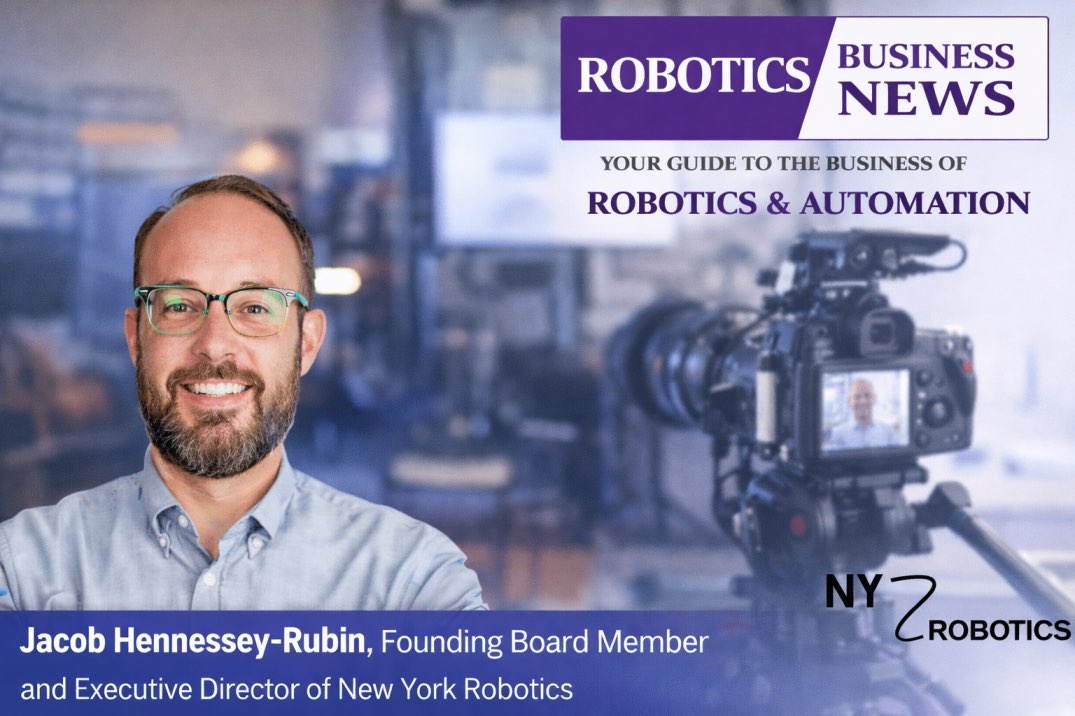
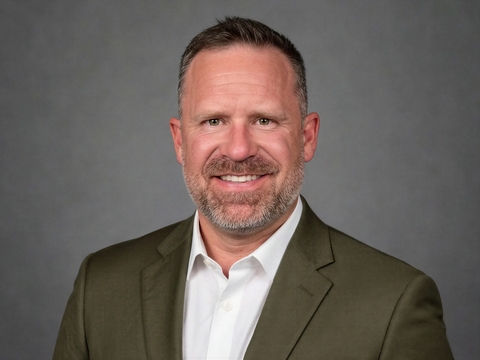
As embodied AI moves from research to real-world deployment, New York is emerging as a critical global center for robotics innovation. In this exclusive interview with Robotics Business News, Jacob Hennessey-Rubin, Founding Board Member and Executive Director of New York Robotics, shares how the organization is closing ecosystem gaps, accelerating commercialization, and positioning the state as a first-choice home for robotics startups and enterprise adoption.
What factors have converged to make this moment a turning point for robotics and embodied AI in New York?
Several forces are converging at once. Advances in embodied AI, perception, and autonomy are reaching a point where real-world deployment is becoming viable. At the same time, New York’s tech ecosystem — across finance, real estate, logistics, healthcare, and other sectors — has become a global leader in artificial intelligence development and adoption.
Programs like Empire AI, along with the work of the region’s universities and startups, are increasing awareness and investment in AI across New York. This creates a natural opening for embodied AI to become part of the next phase of AI growth in New York and beyond.
What gaps did you identify in New York’s robotics ecosystem that led to the creation of New York Robotics?
New York already had many of the right resources with world-class universities, global enterprises, deep capital markets, and emerging startups. But the region lacked the connective tissue to bring it all together. Robotics companies were often operating in silos and looking outside New York for validation, customers, or community.
The gap wasn’t talent or technology; it was coordination. Before NYR, there was no industry organization focused specifically on robotics and embodied AI that could convene stakeholders, create opportunities, and raise awareness of innovation across the region. New York Robotics grew to fill that role and serve as ecosystem infrastructure, not just another program or accelerator.
How does New York differentiate itself from other global robotics hubs such as Boston, Silicon Valley, or Europe?
What differentiates New York is both its approach to uniting the ecosystem and the resources the city provides to the region, the nation, and the global market. New York has a unique ability to convene leaders across finance, real estate, healthcare, logistics, construction, manufacturing, and more, from around the world.
This level of global access creates a strong advantage for startups building in New York, and also for companies in other hubs like Boston, Pittsburgh, Atlanta and Silicon Valley. The reach and influence of New York’s institutions help propel the broader robotics industry forward.
What role do major financial institutions and enterprise partners play in accelerating robotics adoption and commercialization?
Major financial institutions and enterprise partners in New York are essential. They don’t just provide capital—they provide real environments for validation, pilots, procurement, and long-term deployment. For robotics companies, access to these types of customers can significantly shorten the path from prototype to revenue.
New York Robotics helps align startup innovation with the needs and readiness of enterprise and industry partners, making those connections more effective and actionable.
Can you explain the purpose of the NYR Index and how it will benefit startups, investors, and industry partners?
The NYR Index is designed to bring visibility and structure to New York’s robotics and embodied AI ecosystem. It will map companies, capabilities, sectors, and growth in a way that is accessible and actionable.
For startups, it increases discoverability and access to trusted partners. For investors, it provides clear ecosystem-level insight. For industry partners and service providers, it serves as a resource to identify solutions, collaborators, and emerging trends. The goal is to reduce friction by increasing access making it easier to understand who is building what, and where.
What are the biggest challenges robotics startups face when scaling, and how is NYR helping them overcome those barriers?
Scaling robotics is uniquely difficult. Hardware complexity, long sales cycles, integration challenges, and capital intensity all increase as companies grow. Many startups struggle not because of the technology itself, but because of limited access to customers, pilots, manufacturing partners, and informed capital.
NYR helps by opening doors and aligning incentives, from academic research through global market expansion. We connect startups with enterprise partners, public-sector stakeholders, investors, and peers who understand robotics timelines and constraints. We also help bridge the gap between technical founders and operational buyers, which is often where scaling succeeds or fails.
How important is collaboration between startups, academia, government, and industry in building a sustainable robotics ecosystem?
It’s critical. Robotics does not scale in isolation. Academia needs pathways for applied impact through corporate research partners. Startups need talent, research pipelines, testbeds, regulatory clarity, and customers. Government sets the conditions for deployment and is often a customer itself. Industry defines real-world requirements.
New York Robotics exists to convene these groups in a practical, outcomes-focused way. Collaboration is not optional, it’s required to build an ecosystem that produces both innovation and economic impact.
Looking ahead three to five years, what does success look like for New York Robotics and for New York’s role in the global robotics landscape?
Success means New York is widely recognized as a leading global center for robotics research and development, commercialization, and applied embodied AI. It means startups can build, test, sell, and scale in New York without needing to leave the region to succeed. It also means New York’s resources are accessible to the broader regional, national, and global robotics community.
If, in five years, robotics companies see New York as a first-choice home, and enterprises see robotics as core to how they operate, then we’ve done our job.