Swisslog Healthcare Develops Future Leaders in Pharmacy Automation
02 November 2026 | Interaction | By Editor Robotics Business NEWS <editor@rbnpress.com>
Michael Palone discusses how pharmacy fellowships, automation and healthcare technology are preparing future leaders for evolving medication management.
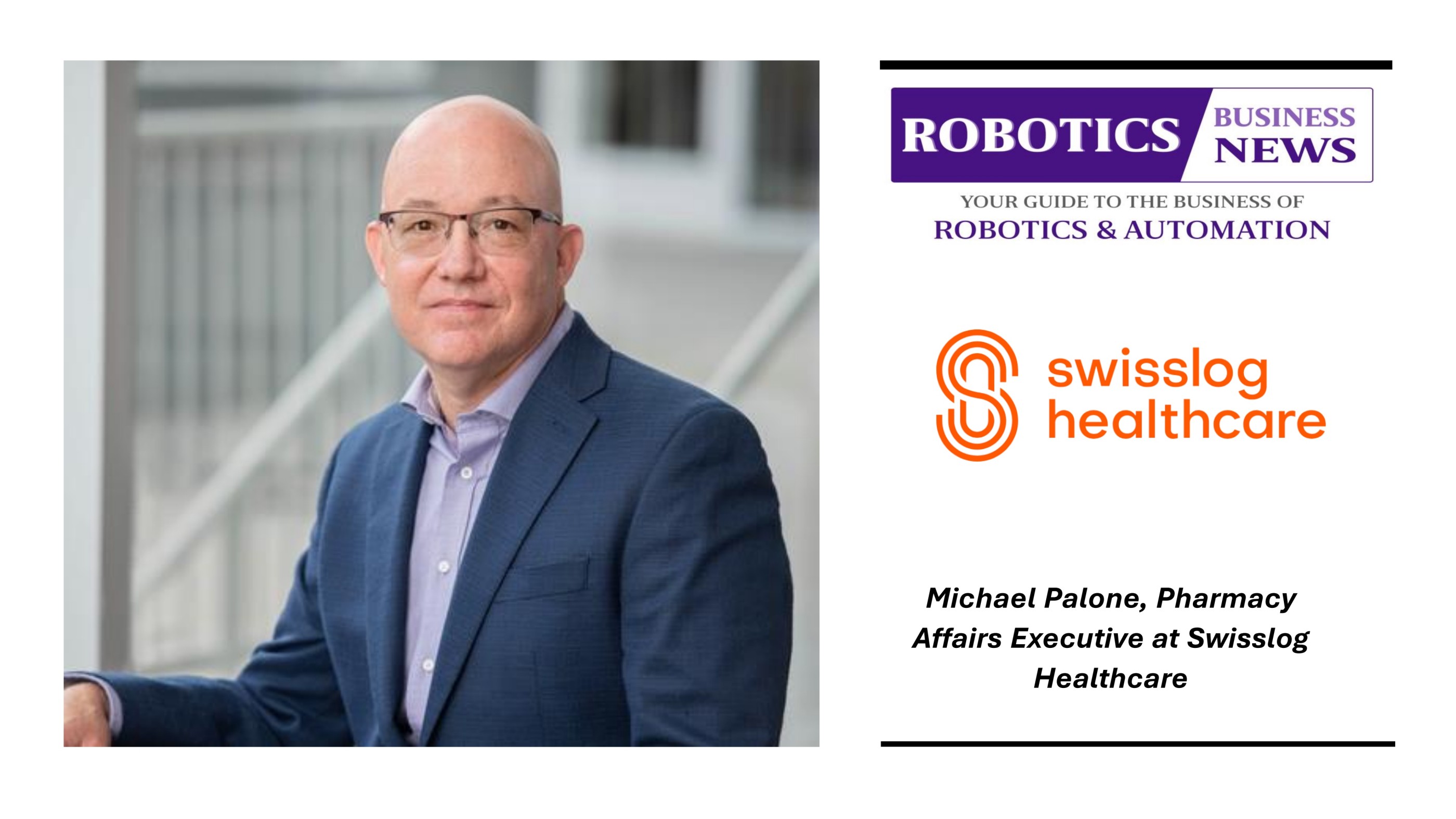
In an exclusive conversation with Robotics Business News, Michael Palone, Pharmacy Affairs Executive at Swisslog Healthcare, discusses the company’s new Postdoctoral Pharmacy Fellowship Program and its vision for developing future healthcare technology leaders.
Palone explains how pharmacy automation, cross-functional learning and emerging technologies can help address workforce challenges, improve medication safety and prepare pharmacists for careers shaping the future of healthcare.
What was the strategic vision behind launching Swisslog Healthcare’s Postdoctoral Pharmacy Fellowship Program, and how will it prepare the next generation of pharmacy leaders for healthcare technology careers?
The inspiration for this fellowship grew from the success of our Advanced Pharmacy Practice Experience (APPE) program over the past decade. What began as a small experiential elective program with one School of Pharmacy evolved into partnerships with multiple schools of pharmacy, allowing us to work closely with talented future pharmacists and gain valuable insights into how they view the profession and emerging technologies.
Through these experiences, we recognized an opportunity to create a deeper and more impactful learning environment. While students can contribute significantly during a five- or six-week rotation, a year-long fellowship allows emerging professionals to become fully immersed in strategic initiatives, collaborate across functions, and develop a broader understanding of the healthcare technology industry.
Our goal is to prepare future leaders who can connect clinical expertise with innovation. Fellows will gain firsthand experience with the technologies shaping medication management, patient safety, and healthcare operations while exploring career paths that extend beyond traditional pharmacy practice.
How does Swisslog Healthcare see pharmacy automation helping hospitals address workforce shortages, improve medication safety, and enhance operational efficiency?
Healthcare organizations globally continue to face workforce challenges, including staffing shortages, employee turnover, growing workloads, and ongoing supply chain pressures. While technology is not a complete solution, it can play a significant role in helping organizations manage these challenges more effectively.
Automation helps reduce repetitive and labor-intensive tasks, standardize workflows, and introduce safeguards that improve medication safety. These efficiencies allow pharmacy teams to dedicate more time to clinical activities and patient care. With staff shortages and fewer applicants for open positions, candidates will look for environments that are supported by technology and tools that make their lives easier and safer.
Just as importantly, automation helps organizations maximize the impact of available staff. Guided workflows, improved inventory visibility, and standardized processes can help newer team members become productive more quickly. Even simple improvements, such as reducing the time required to locate medications, can create meaningful gains in efficiency and reduce frustration. Ultimately, automation enables pharmacy teams to work smarter, safer, and more effectively.
How will the fellowship expose participants to pharmacy automation, medication management technologies, clinical consulting, and product strategy?
The fellowship has been intentionally designed as a cross-functional experience. Fellows will engage with teams spanning product management, marketing, pharmacy affairs, business development, and other key functions throughout the organization.
This structure provides exposure to the complete lifecycle of healthcare technology, from identifying customer needs and evaluating market opportunities to supporting solution development and adoption. Fellows will contribute to both short-term initiatives and long-term strategic projects, creating opportunities to make meaningful contributions while gaining a comprehensive view of the business.
One of the greatest strengths early-career pharmacists bring is a fresh perspective and a strong desire to solve problems. They ask great questions, and their enthusiasm to solve problems is infectious. Our fellows will be encouraged to challenge assumptions and actively participate in developing solutions that improve medication management and ultimately patient care.
What skills and competencies will fellows develop through structured rotations, strategic projects, mentorship, and engagement with healthcare professionals?
This fellowship extends well beyond Pharmacy Affairs. It is designed to provide a comprehensive understanding of how healthcare technology organizations operate and how clinical expertise contributes to business success.
Fellows will strengthen their ability to evaluate scientific literature, analyze healthcare data, assess market dynamics, and apply evidence-based thinking to strategic decision-making. Through cross-functional experiences, they will gain insight into product development, commercialization, customer engagement, and operational strategy.
In addition, fellows will further develop leadership, communication, project management, and collaboration skills. Pharmacy education provides a strong clinical and scientific foundation, and this fellowship complements that training by introducing the business, technology, and innovation competencies increasingly needed to lead within a rapidly evolving healthcare environment.
How does Swisslog Healthcare plan to measure the fellowship’s impact on professional development, industry innovation, and the adoption of medication management technologies?
As our inaugural fellowship, this program represents both an investment in future talent and an opportunity for continuous learning and refinement. It is a strategic investment by Swisslog Healthcare in the profession, and we expect to see and measure tangible results from their contributions. Success will be evaluated through a combination of professional development outcomes and meaningful business contributions. We expect fellows to acquire new competencies, complete strategic projects, and contribute to initiatives that support both customer success and organizational objectives.
While we are not affiliated with any universities currently, we are also committed to creating opportunities for the fellow to pursue certificate learning achievements in areas of interest. This inaugural fellowship will be a bit of an experiment, and we have many ideas to explore, including our first continuing education offerings for the pharmacy community in 2027.
Over time, we will assess outcomes through project results, educational achievements, stakeholder feedback, and the broader impact fellows have on innovation and organizational performance.
Building on more than a decade of collaboration with pharmacy schools, how will this fellowship strengthen partnerships between healthcare technology companies and academic institutions?
Many students enter pharmacy school with limited exposure to career opportunities outside of traditional practice settings. One of the most rewarding aspects of our relationships with colleges and schools of pharmacy has been helping students discover the diverse roles available within healthcare technology.
The fellowship expands that mission by creating a structured pathway for pharmacists interested in innovation, automation, and industry leadership. Since announcing the program, we have already seen strong interest from academic institutions and potential new partners.
We believe these collaborations can help increase awareness of healthcare technology careers while strengthening the connection between academia and industry. Ultimately, these partnerships help ensure future pharmacists are better prepared for the evolving needs of healthcare.
What role do you believe early-career pharmacists can play in shaping the future of automated medication management, digital healthcare, and hospital pharmacy operations?
Early-career pharmacists bring a unique blend of current clinical knowledge, fresh perspectives, and a willingness to challenge conventional thinking. They often recognize opportunities for improvement that others may overlook.
Healthcare needs professionals who understand both patient care and how technology can be leveraged to solve complex operational and clinical challenges. The future of medication management will be shaped by leaders who can connect clinical practice with automation, data analytics, and digital innovation. It is critical that the leaders of tomorrow understand more about how things work. By encouraging pharmacists to engage with technology early in their careers, we can help develop professionals who will drive meaningful improvements in safety, efficiency, and patient outcomes.
Looking ahead, how does Swisslog Healthcare plan to expand its contribution to pharmacy education and workforce development as automation and intelligent technologies become increasingly important in healthcare?
Our educational efforts have continually evolved as we identify new ways to support the profession. Earlier initiatives included exploring partnerships that could support pharmacy informatics training and residency development. Those efforts ultimately helped shape the fellowship program we are launching today.
Looking ahead, we see significant opportunities to strengthen collaborations with universities, healthcare organizations, and professional associations. We are also exploring additional educational offerings, including professional development and continuing education programs for pharmacists and healthcare leaders.
Our goals are simple: to make a meaningful contribution to the future of the profession and strengthen our business through their contributions. By fostering curiosity, innovation, and technological fluency, we hope to help develop healthcare leaders who can apply emerging technologies to solve critical challenges and improve care wherever their careers take them.