MMI Secures New AMA CPT Code and CMS Payment for Robotic-Assisted Lymphovenous Bypass, Advancing Access to Lymphedema Surgery
The newly approved CPT 1019T code and outpatient CMS payment rate mark a major reimbursement breakthrough, enabling U.S. hospitals to directly bill for robotic-assisted LVB using MMI’s Symani® Surgical System and expand access to advanced lymphatic microsurgery.
Image Courtesy: Public Domain
MMI (Medical Microinstruments, Inc.), a robotics company dedicated to expanding treatment options and improving outcomes for patients with complex conditions, announced that the American Medical Association (AMA) has issued a new Current Procedural Terminology (CPT®) code for lymphovenous bypass (LVB) surgery. The Centers for Medicare & Medicaid Services (CMS) also finalized and released a payment rate for LVB procedures performed in the outpatient setting to be reflected in the CY 2026 OPPS Final Rule. Together, these actions create initial reimbursement for a procedure that, until now, required billing under unlisted surgical codes.
The new Category III code, CPT 1019T Lymphovenous bypass, including robotic assistance, when performed, per extremity, will become effective in the U.S. on January 1, 2026.
CPT codes are widely used by commercial health plans and government payers to describe healthcare services for reimbursement. This new code is intended to capture both manual and robotic-assisted lymphovenous bypass surgeries and allow procedure data collection needed to further advance reimbursement pathways. Its release represents a reimbursement milestone as U.S. hospitals will be able to submit claims directly related to LVB procedures, further supporting facility payment and expanded access to lymphedema treatment options.
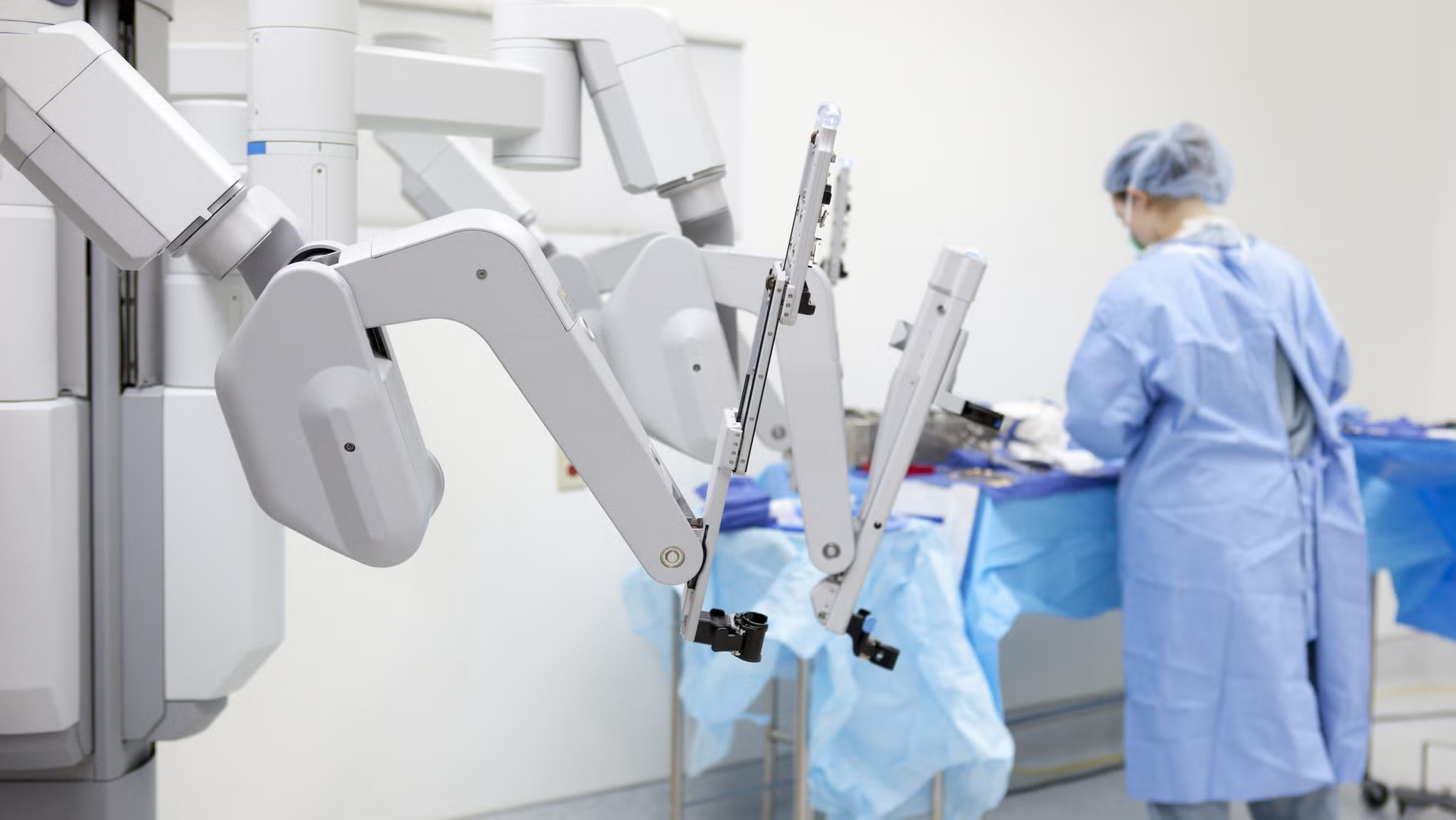
These decisions from AMA and CMS reflect growing clinical recognition of lymphatic surgery as a viable treatment for chronic lymphedema. They follow increasing adoption of LVB procedures at leading medical centers and the use of robotic technology to enhance surgical precision and reproducibility. The Symani® Surgical System, the only microsurgical robot approved for commercial use, allows surgeons to connect tiny lymphatic vessels—smaller than several strands of hair—to nearby veins, helping reroute fluid and relieve swelling. Early studies have shown encouraging results, including reduced limb volume, less reliance on compression garments, and improved quality of life for patients.
“This development marks a major step forward in making surgical treatment for lymphedema more widely available,” said Mark Toland, CEO of MMI. “We appreciate CMS and AMA’s leadership in recognizing the clinical and economic significance of these procedures. This code not only validates the importance and complexity of lymphatic surgery but also lays the groundwork for expanding patient access, advancing reimbursement policy, and driving broader adoption of innovative surgical techniques across the U.S.”
“The recognition of lymphovenous bypass through a dedicated CPT code and facility reimbursement marks a pivotal advancement for patients living with lymphedema,” said William Repicci, President & CEO of the Lymphatic Education & Research Network (LE&RN). “For the first time, hospitals will be able to sustainably offer a microsurgical treatment that restores lymphatic flow and profoundly improves quality of life. This milestone validates years of scientific progress and advocacy to ensure that lymphatic surgery receives the recognition—and reimbursement—it deserves. It represents a major step toward equitable access to care for the millions of Americans affected by lymphatic diseases.”
Lymphedema affects more than 250 million people worldwide, with most patients relying on lifelong symptom management such as massage, compression garments and manual drainage. While surgical options such as LVB offer the potential for lasting relief, adoption has been constrained by the complexity of the procedure and the limited number of surgeons using supermicrosurgical techniques on such small, delicate vessels. Symani helps overcome these barriers by providing the precision and control needed to confidently perform LVB with consistency. Now, paired with new reimbursement, MMI has removed two of the most significant barriers to broader adoption, technical feasibility and economic viability. This opens doors for hospitals to offer more advanced surgical options for patients, strengthen existing lymphatic programs, and build new programs that drive procedural growth and enhance long-term outcomes for patients.