Vicarious Surgical Advances Robotic Surgery Development With Successful In-Vivo Lab Milestone
Porcine feasibility study validates core system capabilities and accelerates progress toward design freeze targeted for 2026
Image Courtesy: Public Domain
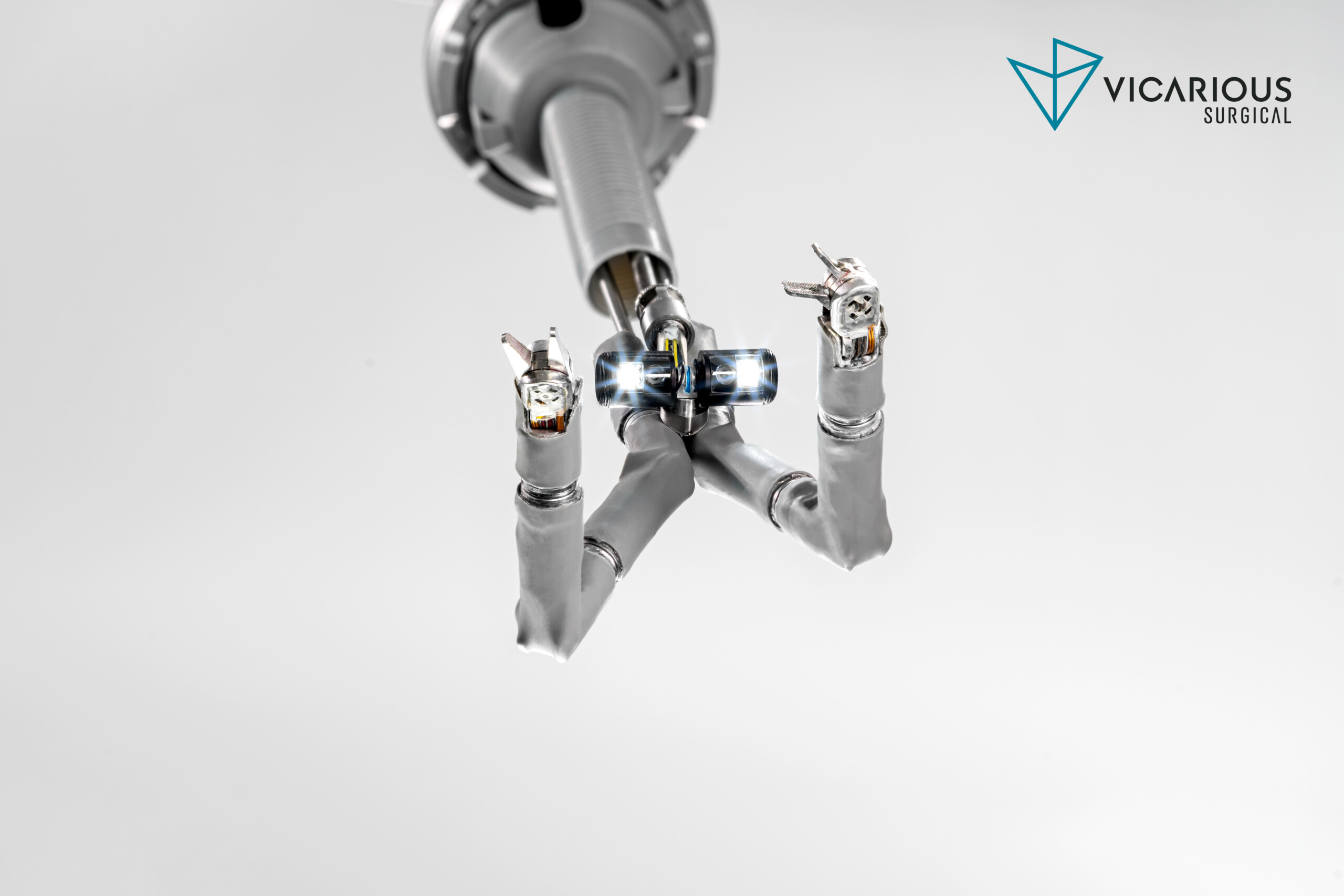
Vicarious Surgical (NYSE: RBOT) (the “Company”), a next-generation robotics technology company seeking to improve lives by transforming robotic surgery, announced the successful completion of an in-vivo porcine lab conducted in December 2025, marking a meaningful step forward in the development of the company’s robotic system and reinforcing progress toward system design freeze targeted for the end of 2026.
During the lab, surgeons independently completed key elements of a ventral hernia repair using Vicarious Surgical’s pre-DV system as part of a limited-scope feasibility assessment. In parallel, the company executed a series of targeted technical evaluations designed to assess system performance against key engineering and functional specifications. Together, these activities provided a practical assessment of the system in a realistic surgical environment and generated data central to ongoing design decisions.
The December lab consisted of three independent development protocols, including a primary feasibility assessment focused on completing an intraperitoneal onlay mesh (IPOM) ventral hernia repair, a separate evaluation of monopolar scissors for energy delivery and cauterization, and a series of visualization and imaging assessments. Each protocol was designed to evaluate specific subsystems within a realistic in-vivo environment.
The in-vivo setting enabled an assessment of core system capabilities, including instrument articulation, visualization, system integration, and procedural workflow within a realistic surgical environment appropriate for system development. Data generated during the lab, along with structured surgeon feedback, are being incorporated into ongoing design refinement, verification planning, and system optimization efforts.
“Participating in this in-vivo lab provided valuable insight into how the system performs in a realistic surgical setting,” said Barry Green, MD, Chief Medical Officer of Vicarious Surgical. “While the system is still in development, we completed critical procedural elements and independently evaluated key instruments and visualization capabilities. The observations and data from this work are directly informing ongoing design refinement and system optimization.”
The December in-vivo lab builds on Vicarious Surgical’s disciplined, specification-driven development approach and reflects the company’s focus on minimizing technical risk through iterative testing, surgeon engagement, and data-driven execution at this stage of system integration.
This marks the Company’s first in-vivo animal lab conducted in several years, and the first performed with an integrated system architecture rather than early-stage prototypes, providing critical insight into system behavior under realistic surgical conditions. The lab was conducted for research and development purposes only and was not designed to support regulatory submissions or clinical claims.