China’s 15th Five-Year Plan Puts Robotics and AI at the Core of Industrial Transformation
New national strategy accelerates shift toward intelligent robotics, with industrial automation leading near-term growth while humanoids remain long-term ambitions.
Image Courtesy: Public Domain
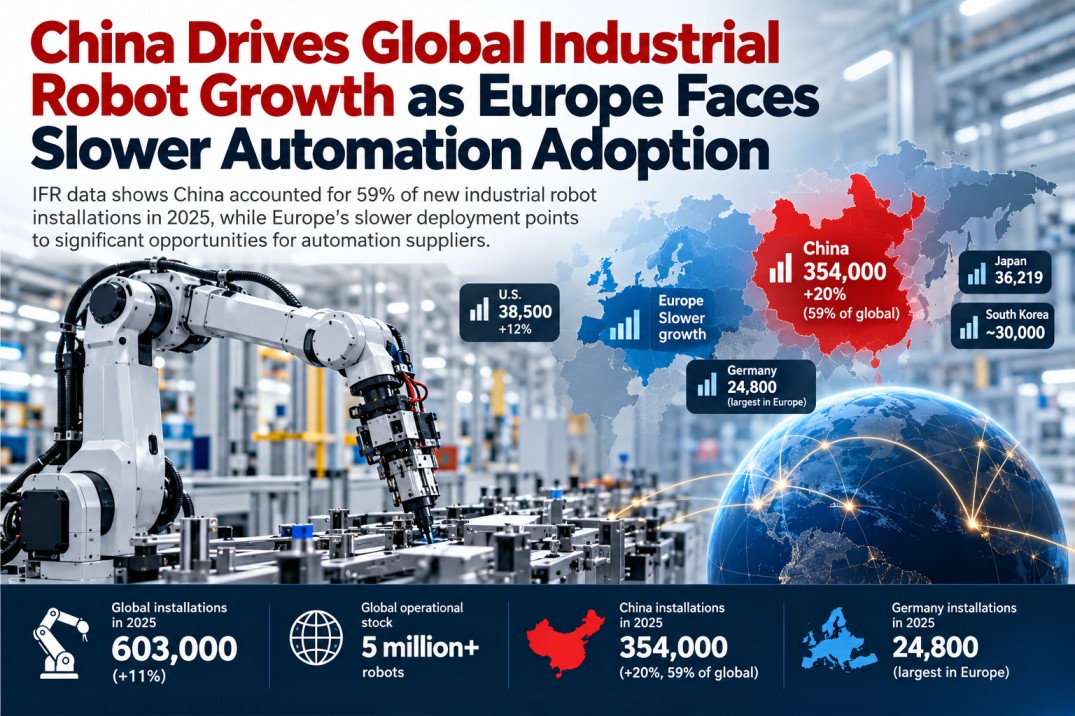
China has launched its 15th Five-Year Plan by placing robotics at the heart of its modern industrial system. The aim is to pivot its AI research towards physical applications with robots as main drivers for economic growth. This is a next step in the country's strong automation development: 54% of annual industrial robots installed worldwide were deployed in China. This is according to the World Robotics 2025 Report by IFR.
“The outline of the 15th Five-Year Plan of the People’s Republic of China acts as the primary framework document that sets the overarching direction for all other government actions,” says Takayuki Ito, President of the International Federation of Robotics. “Thousands of subordinate sectoral and regional plans are now mandated to align with the objectives. Under the new framework, China is shifting its focus from traditional industrial automation to high-end, intelligent robotics integrated with artificial intelligence.”
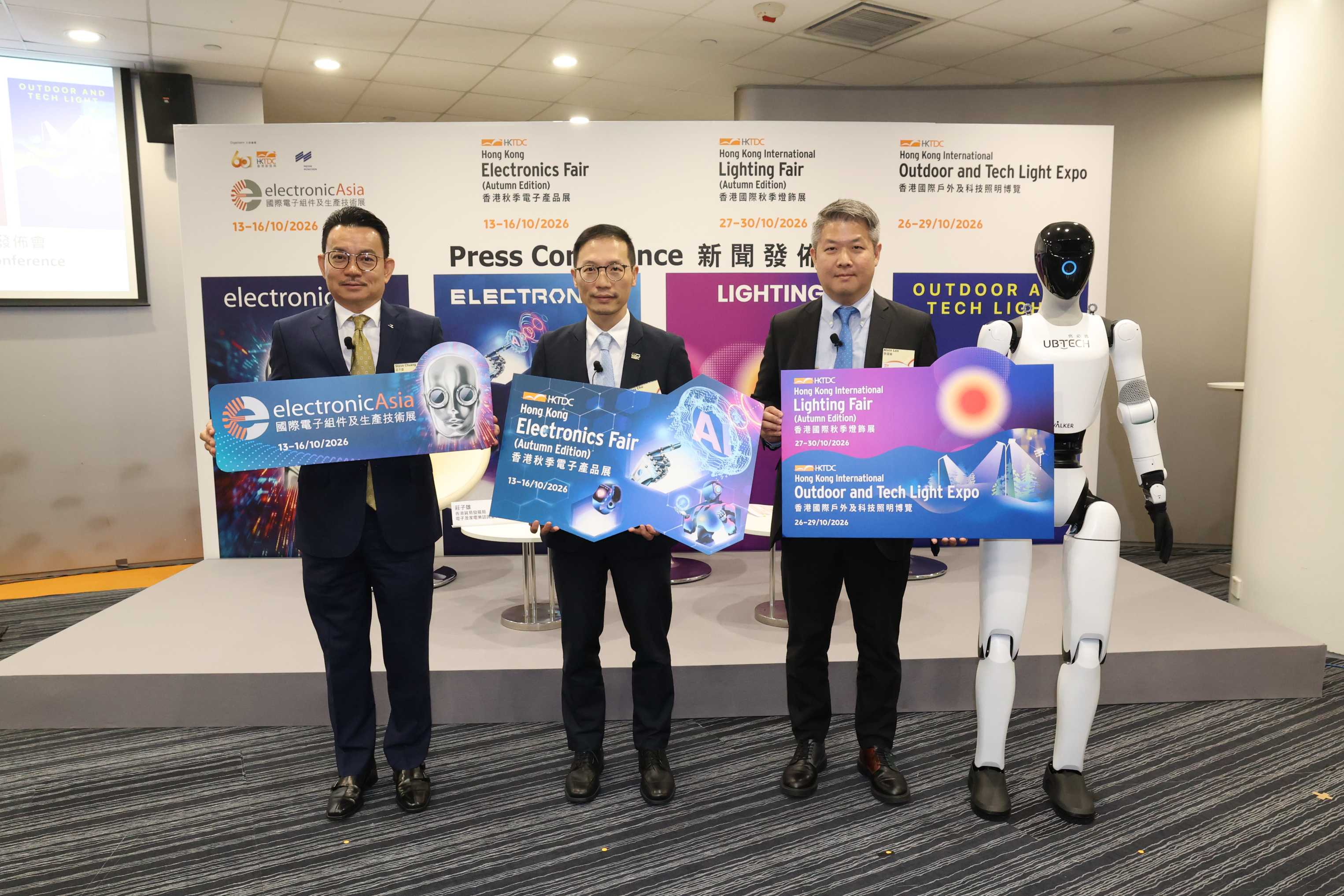
Humanoid Robot Show
China’s new blueprint sees the main value of AI in its application to business and industry. This was recently broadcasted around the world at the televised celebration of the Lunar New Year and at the humanoid robot half-marathon in Beijing. Despite these impressive public presentations at staged events, the actual capabilities in real-world production scenarios are currently limited to demonstrators or pilot projects.
Humanoids vs. Industrial Robots
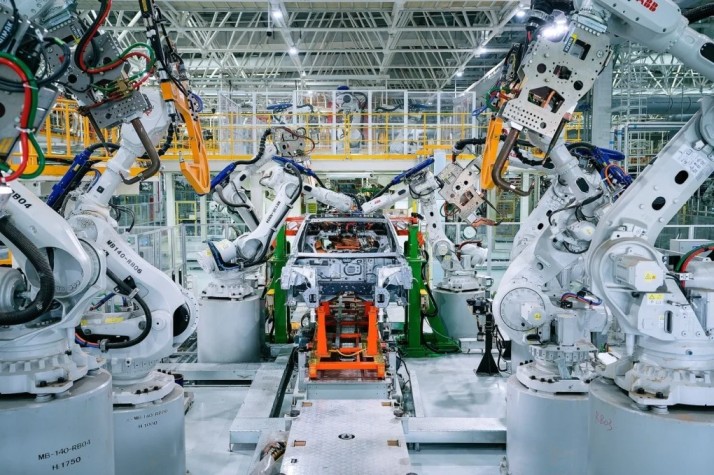
Industrial robots are likely to remain the backbone of manufacturing environments. In industrial production settings, tasks are repetitive and demand millimeter-level precision at high speeds. Industrial robots excel here. Humanoid robots offer a more general approach. They combine mobility with human-like interaction, making them suitable for service tasks. In such applications, humanoids may be more acceptable than traditional machines.
But mass adoption as universal humanoid factory helpers or in private households will not happen within the near- and medium-term future. The 15th Five-Year plan sees the commercialization of humanoid robots rather towards the end of the plan's period. Wide adoption of AI with traditional industrial robotics is expected over the next five to ten years.