Frost & Sullivan Highlights AI and Robotics Opportunities in the Global Care Economy
New analysis forecasts rising demand for AI, robotics, digital health, and smart care infrastructure as the global care-dependent population grows through 2035.
Image Courtesy: Public Domain
Frost & Sullivan's latest analysis, The Global Care Economy, Transformations and Opportunities to 2035, reveals that demographic change, mounting healthcare workforce shortages, and accelerating digital innovation are reshaping the global care economy and creating substantial opportunities across healthcare, technology, infrastructure, finance, mobility, and education.
The study forecasts that the global care-dependent population will reach between 3.2 billion and 4.6 billion people by 2035, with the elderly population representing the fastest-growing segment. This demographic shift is driving demand for innovative care delivery models, AI-powered technologies, and integrated care ecosystems capable of meeting growing needs while improving productivity and resilience.
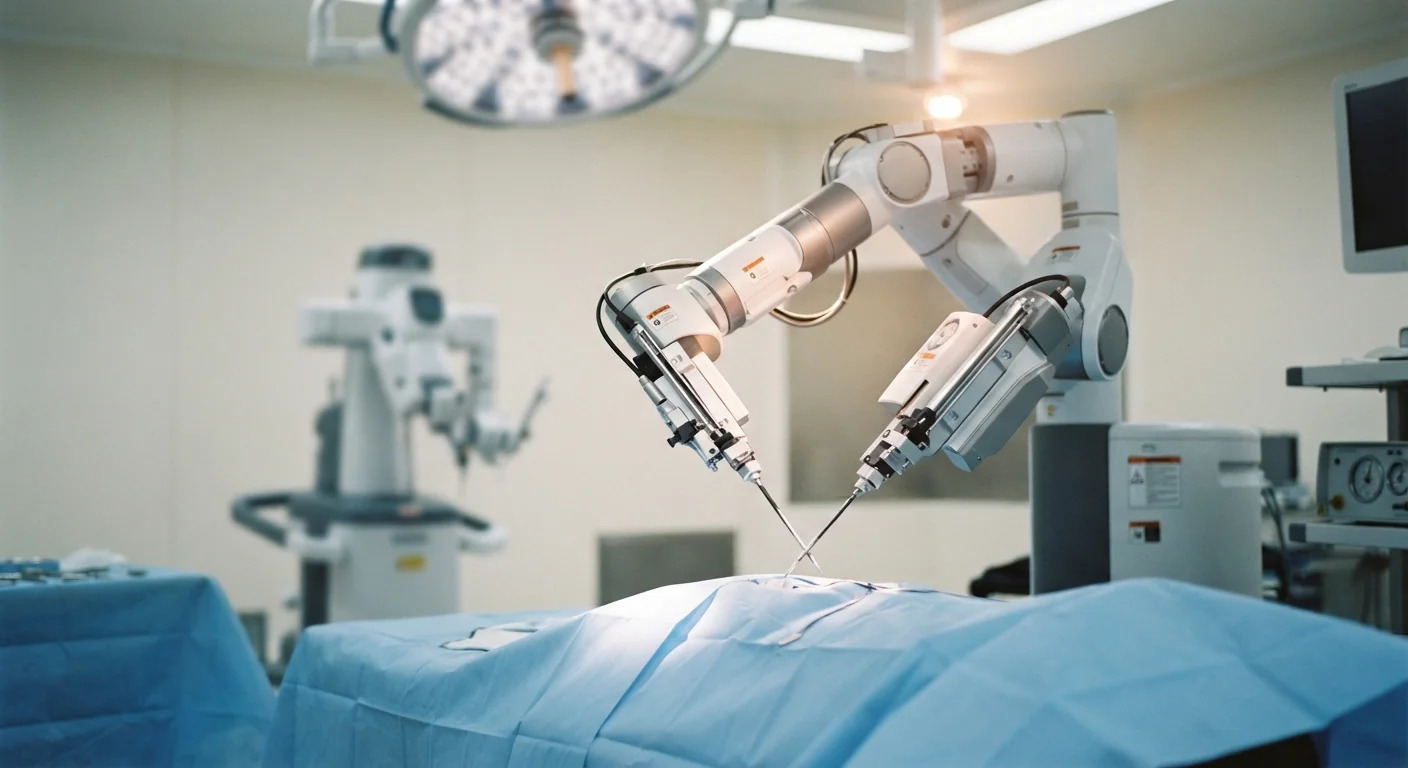
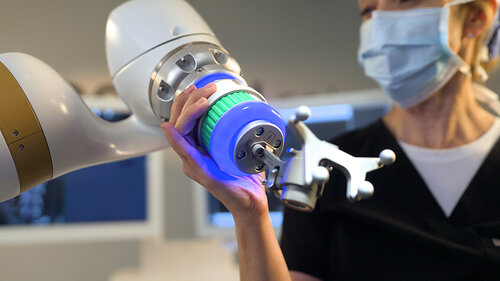
"The care economy is rapidly evolving from a predominantly labour-intensive sector into a technology-enabled ecosystem where artificial intelligence, robotics, connected devices, and integrated digital platforms will play an increasingly important role," said Neha Anna Thomas, Associate Director, Economic Analytics, at Frost & Sullivan. "The organisations best positioned for long-term growth will be those that combine technological innovation with human-centred care, improve accessibility, and deliver measurable outcomes across the care continuum."
Frost & Sullivan identifies several transformational trends expected to reshape the global care economy over the coming decade. Rapid population ageing and increasing demand for specialised care skills are accelerating investment in AI-driven workforce training and integrated education platforms.
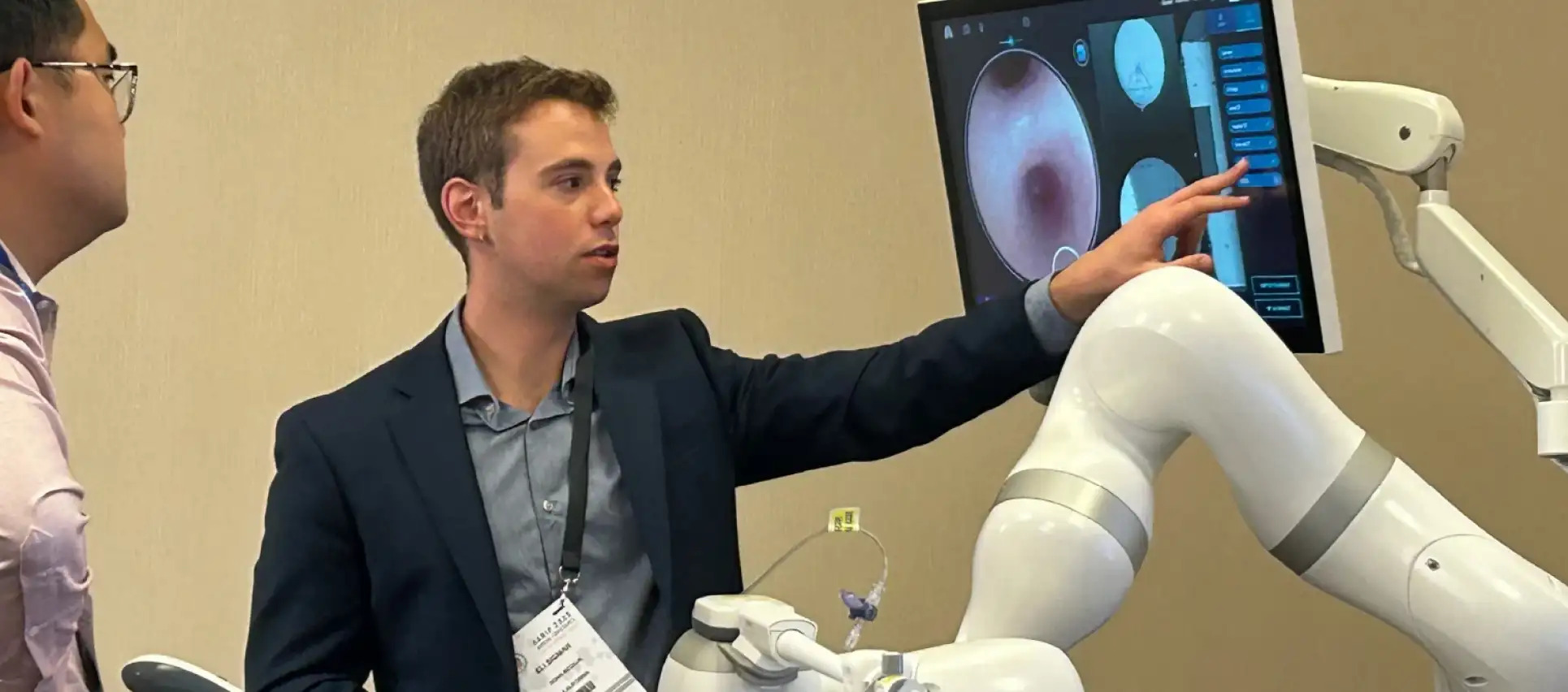
At the same time, healthcare providers are moving towards connected care ecosystems that combine healthcare, childcare and eldercare services, supported by smart infrastructure and digital care navigation platforms. AI, predictive analytics, cloud computing and wearable technologies are also enabling more personalised, preventive and efficient care delivery, while greater collaboration between governments, businesses and investors is creating new funding models for care infrastructure and multi-generational care services.
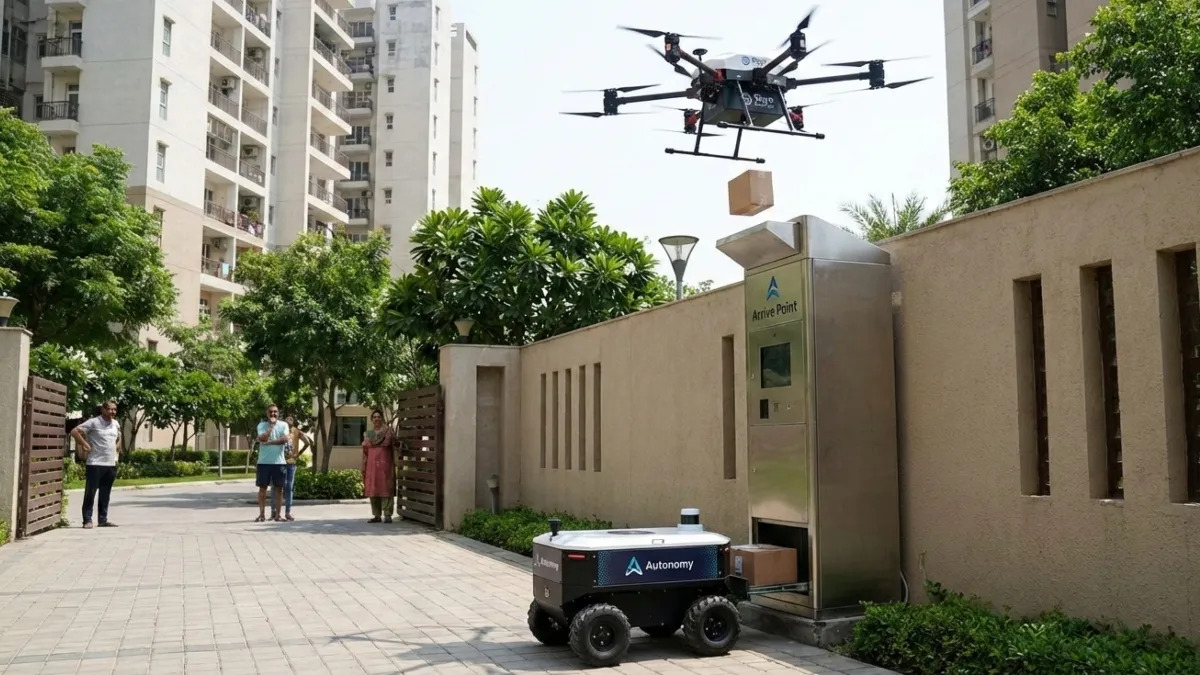
The analysis highlights several high-growth opportunities emerging across the broader care economy. Physical and technology-enabled care infrastructure, including smart care facilities and home retrofitting services, is expected to attract significant investment. SilverTech and AgeTech solutions - including AI-powered wearables, elderly care robotics, fall detection technologies and digital health platforms - will help older adults maintain independence while easing pressure on healthcare systems. Meanwhile, childcare services, digital learning platforms, caregiver upskilling solutions, and technology-enabled care marketplaces are creating new opportunities for innovation across adjacent industries.