Warehouse Robotics Market to Reach $31.34 Billion by 2032 as Automation Adoption Accelerates
Growing e-commerce demand, labor shortages, and advances in AMRs, AGVs, and intelligent automation are driving rapid market expansion.
Image Courtesy: Public Domain
Rising E-commerce Demand, Labor Shortages, and Intelligent Automation Technologies Accelerate Adoption of Warehouse Robotics Worldwide
Warehouse robotics is rapidly becoming the backbone of modern fulfillment operations, helping organizations achieve higher productivity, scalability, and supply chain resilience.”
— Allied Market Research Analyst
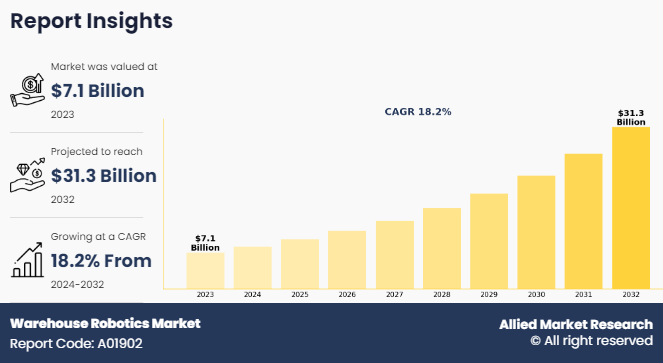
The global warehouse robotics market is experiencing significant growth, driven by the rapid expansion of e-commerce, increasing demand for automated fulfillment centers, and growing investments in smart warehouse technologies. According to a recent report published by Allied Market Research, the global warehouse robotics market was valued at $7.07 billion in 2023 and is projected to reach $31.34 billion by 2032, registering a CAGR of 18.2% from 2024 to 2032.
Warehouse robotics solutions are transforming logistics and supply chain operations by improving productivity, enhancing inventory accuracy, reducing operational costs, and addressing persistent labor shortages. As businesses seek faster order fulfillment and improved warehouse efficiency, robotic automation is becoming a strategic priority across industries.
Market Drivers and Growth Opportunities
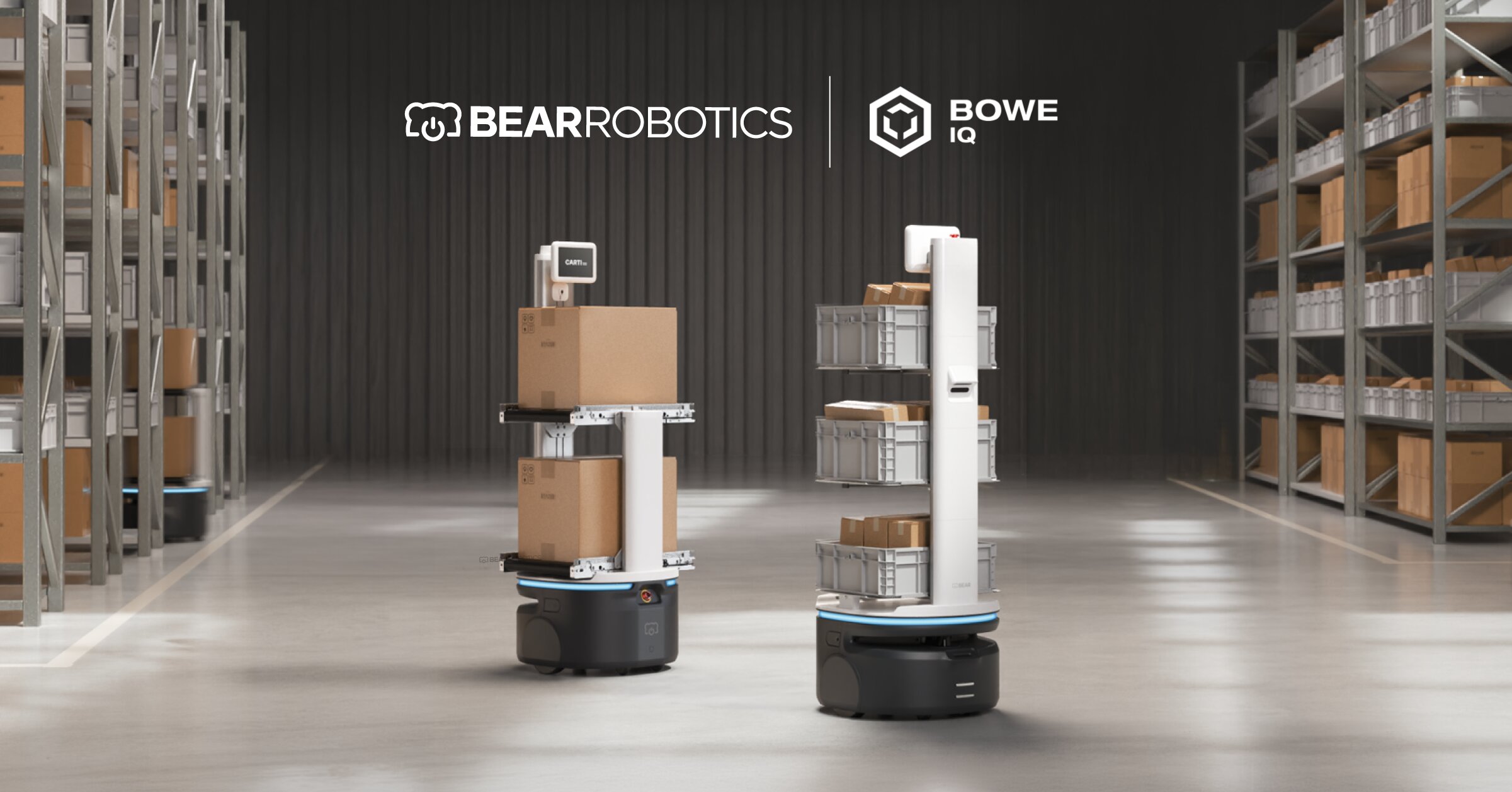
The surge in online shopping has intensified pressure on warehouses and distribution centers to process orders more efficiently while maintaining accuracy. Warehouse robots are increasingly being deployed to automate repetitive and labor-intensive tasks such as picking, packing, sorting, palletizing, and material transportation. These systems enable organizations to increase throughput while minimizing human error and operational downtime.
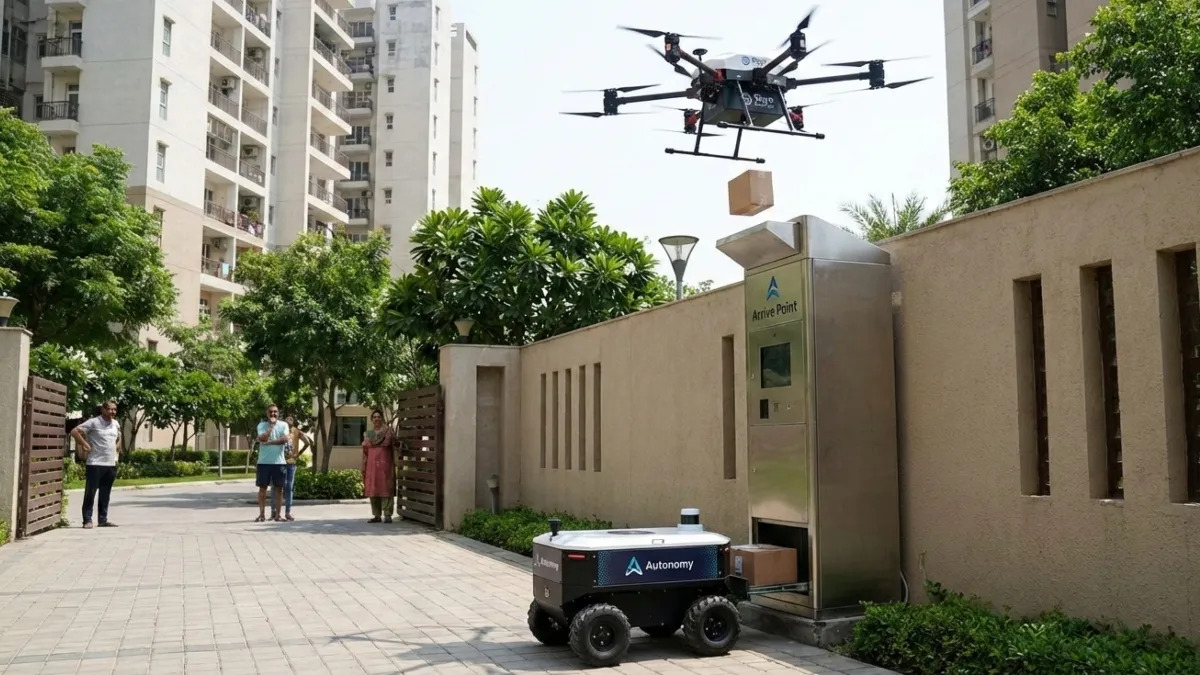
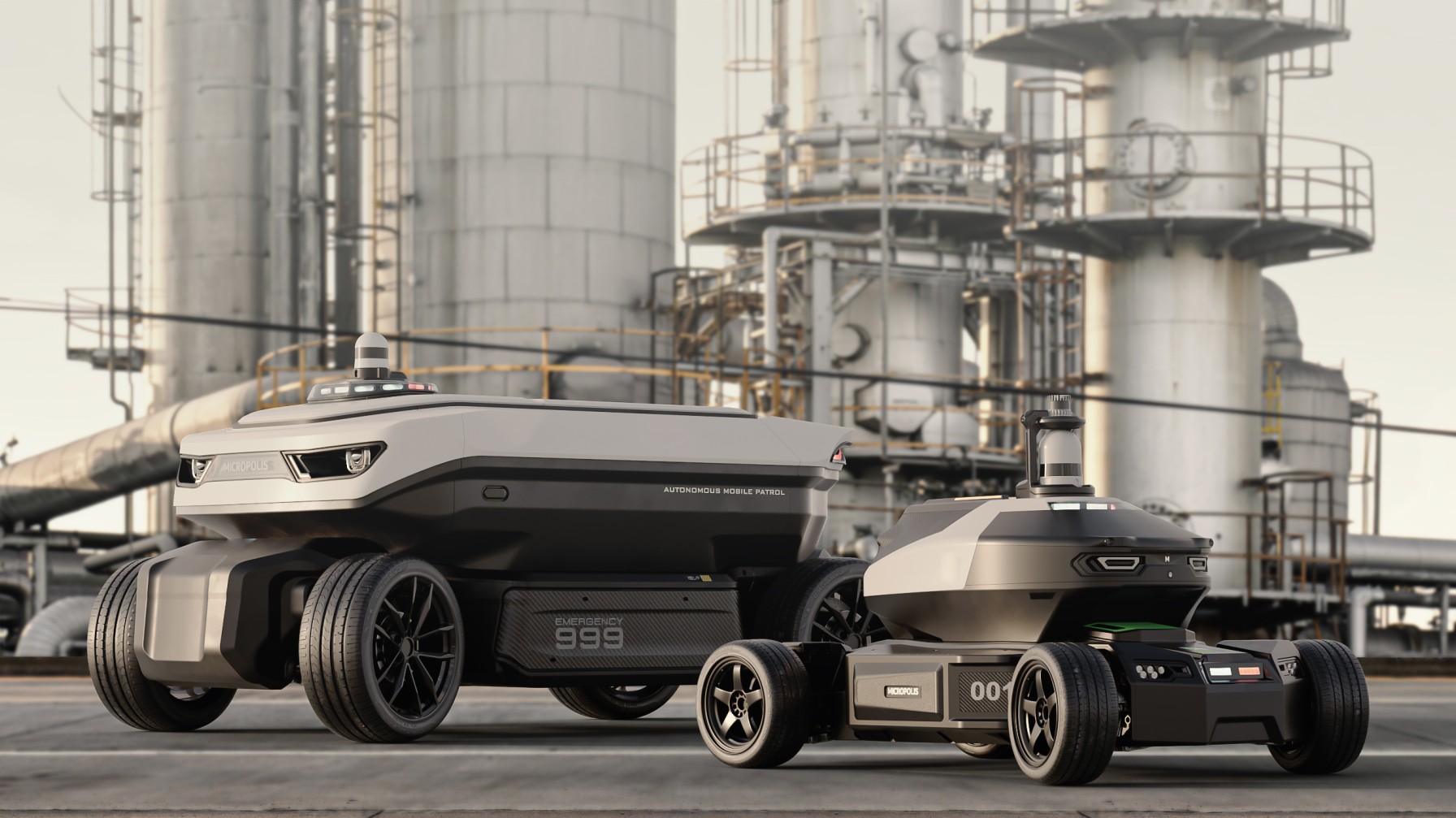
Furthermore, rising labor costs and workforce shortages are encouraging companies to invest in robotic technologies that improve operational resilience and scalability. The growing adoption of autonomous mobile robots (AMRs), automated guided vehicles (AGVs), and collaborative robots is expected to create substantial growth opportunities throughout the forecast period.