Dryad Networks Demonstrates Autonomous Wildfire Detection and Suppression at XPRIZE Wildfire Finals
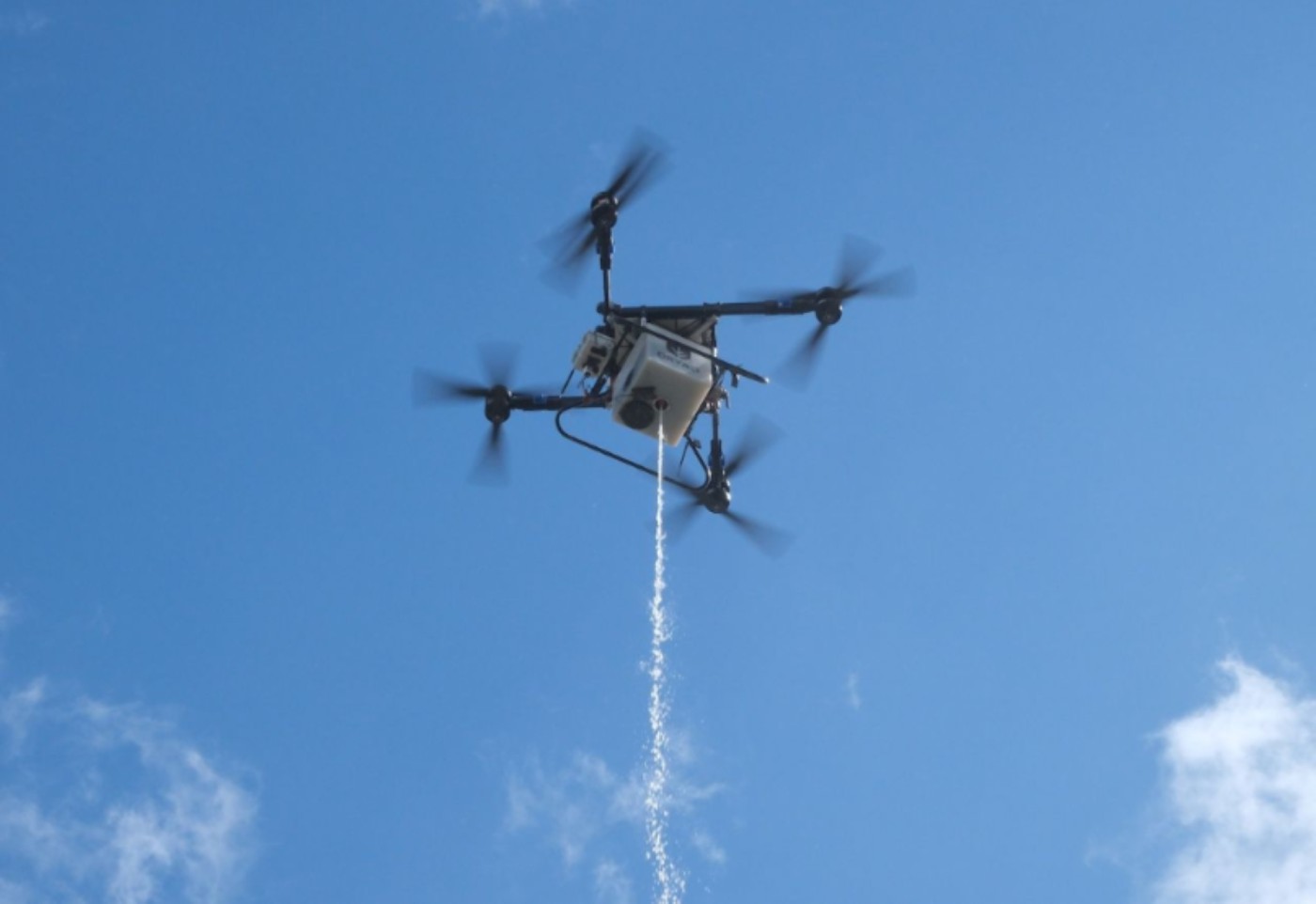
Dryad's Silvanet sensors and Silvaguard drones autonomously detected and attacked wildfires during the XPRIZE Wildfire 2026 finals in Alaska.
Image Courtesy: Public Domain
Dryad Networks, the leader in ultra-early wildfire detection technology, announced a major achievement in the finals of the Autonomous Wildfire Response track of XPRIZE Wildfire, a four-year, $11 million global competition accelerating new solutions to end destructive wildfires.
Competing against just two other finalists selected from an original field of nearly 300 teams worldwide, Dryad successfully demonstrated the integrated capabilities of its Silvanet wildfire detection network and Silvaguard autonomous firefighting drone system during final testing in remote Alaska.
The XPRIZE Wildfire finals challenged teams to autonomously detect and suppress a wildfire without any human intervention across a vast 1,000 square kilometer test area in Alaska in June 2026. During the competition, Dryad’s Silvanet wildfire sensors detected a small wildfire within minutes of ignition and triggered an autonomous response from the company’s Silvaguard drone system, which located and attacked the fire without human involvement.
“This achievement is one of the proudest moments in Dryad’s history,” said Carsten Brinkschulte, CEO and Co-Founder of Dryad Networks. “To stand among the final three teams in the world and demonstrate a fully autonomous system that can detect and respond to wildfire ignitions within minutes validates the technology, vision, and dedication of our entire team. The performance of both Silvanet and Silvaguard exceeded our expectations under extremely challenging conditions,” Brinkschulte added. “The competition validated that ultra-early detection combined with rapid autonomous suppression can fundamentally change how society fights wildfires. Detecting fires within minutes and extinguishing them before they become catastrophic is no longer a vision for the future. It is a reality.”
The winner of the XPRIZE Wildfire competition is expected to be announced in September 2026. However, Dryad views its successful performance in the finals as a significant milestone in the global effort to prevent catastrophic wildfires and protect communities, ecosystems, and critical infrastructure.