Getinge Automatiq Robotics-Led Automation Redefining Sterile Reprocessing in Hospitals
12 January 2026 | Interaction | By editor@rbnpress.com
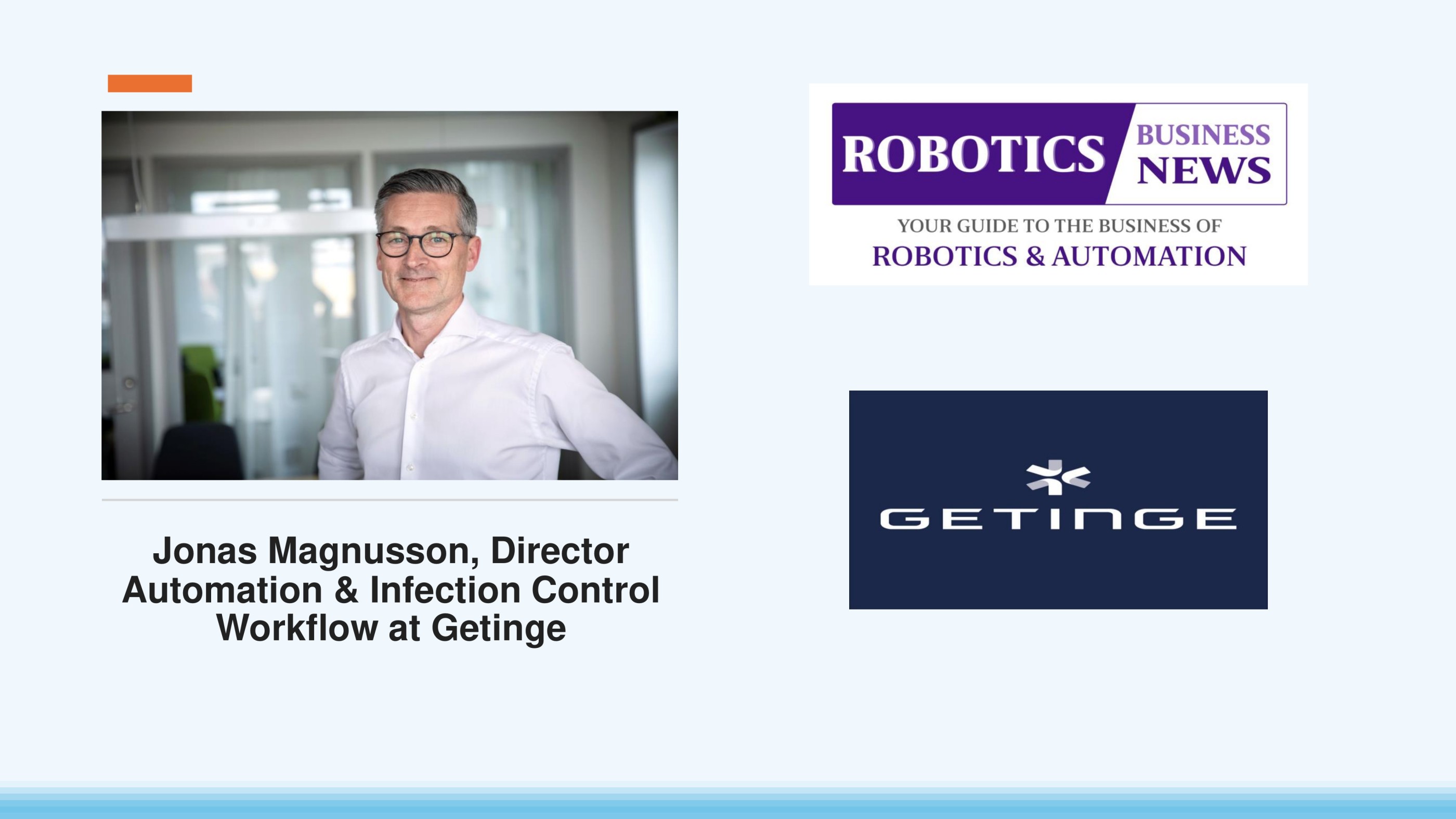
In an interview with Robotics Business News, Jonas Magnusson explains how Getinge’s Automatiq platform uses robotics, intelligent software, and automation to transform CSSD workflows.
Hospitals worldwide are under growing pressure to improve efficiency, safety, and traceability in sterile reprocessing operations. In an interview with Robotics Business News, Jonas Magnusson, Director of Automation & Infection Control Workflow at Getinge, explains how the company’s new Automatiq platform addresses these challenges by combining autonomous mobile robots, conveyor systems, and centralized software orchestration to transform Central Sterile Supply Departments (CSSDs).
What is Automatiq, and why is Getinge introducing it as a next-generation automation platform for sterile reprocessing?
Automatiq is our latest automation platform, designed specifically for Central Sterile Supply Departments, or CSSDs. We’re introducing Automatiq because hospitals are facing increasing demands for efficiency, safety, and traceability in their sterile reprocessing workflows. Staff are under pressure to process more instruments, reduce costs, and maintain the highest standards of patient safety – often in environments where space is limited and staffing shortages are common.
Automatiq brings together robotics, conveyor systems, and intelligent software to address these challenges head-on. Imagine a busy surgical day where hundreds of instruments need to be reprocessed quickly: instead of staff manually loading, sorting and transporting goods, Automatiq automates these repetitive tasks, which also reduces the risk of errors. The platform provides real-time tracking and data insights, so teams can monitor every step of the process and ensure compliance. It’s scalable for both large and smaller facilities, and it’s all about optimizing workflows, reducing manual labor, and ensuring consistent, high-quality results – even during peak demand periods.
How does Automatiq combine robotics, conveyor systems, and software to improve sterile instrument processing workflows in hospitals?
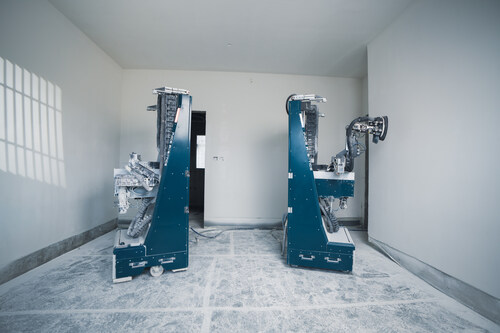
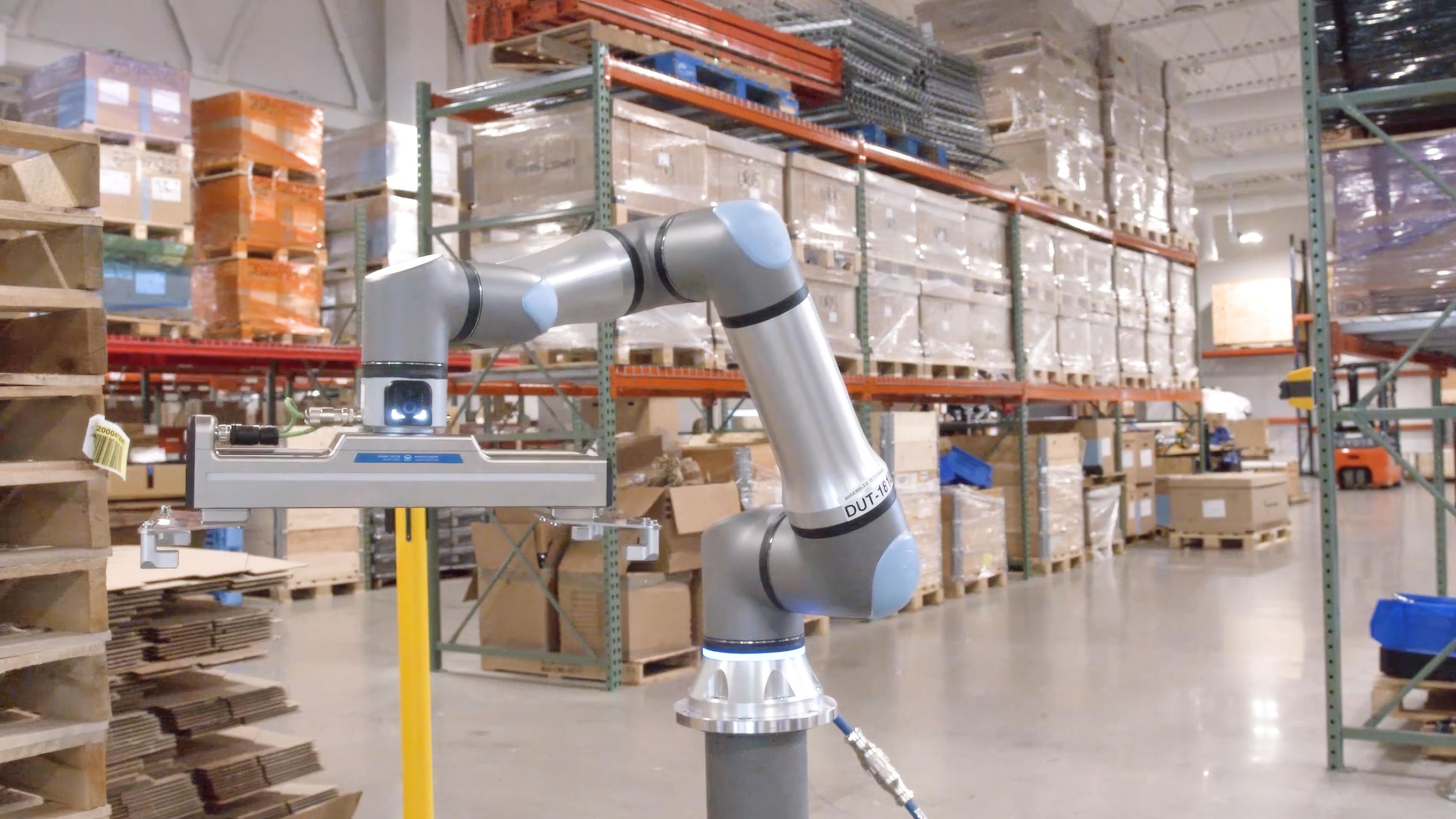
The real innovation with Automatiq is how it integrates three core elements. First, we have the Automatiq Envoy, which is an autonomous mobile robot — an AMR. It navigates the CSSD environment using sensors and onboard computing, transporting wash carts, racks, baskets, and containers wherever they’re needed. Second, our conveyor systems — like automated loaders, unloaders, buffer stations (which we call Depots), and freestanding conveyors — handle the transfer of goods between different zones, such as soiled, clean, and sterile areas. Third, the Automatiq Hub software acts as the brain of the system. It orchestrates all the equipment, manages job requests, monitors equipment status, and balances workloads. The result is a streamlined, automated workflow that minimizes human error, maximizes efficiency, and provides real-time monitoring and reporting.
What specific challenges in traditional Central Sterile Supply Departments (CSSDs) does Automatiq aim to solve — such as ergonomic strain and repetitive manual handling?
Traditional CSSDs rely heavily on manual processes, which can lead to several challenges. Staff often face repetitive movements and heavy lifting, which increases the risk of musculoskeletal injuries. Manual workflows are also person-dependent, leading to variability in turnaround times and a higher risk of errors. There are bottlenecks, unpredictable delivery schedules, and sometimes missing trays that can delay surgeries. Traceability is another big challenge – manual tracking makes it hard to prove compliance or quickly respond to audits. Automatiq addresses all of these challenges by automating the physically demanding tasks, standardizing workflows, enhancing traceability, and optimizing resource allocation. This means safer working conditions, more consistent results, and better compliance.
Describe the main components of Automatiq — such as Automatiq Envoy, Depot, and Loaders — and how each contributes to a coordinated automation flow.
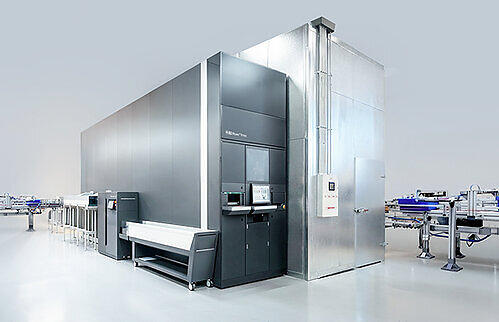
Automatiq is made up of several integrated modules. The Automatiq Envoy is our autonomous mobile robot, responsible for transporting goods between zones and equipment. It’s equipped with advanced navigation, safety features, and can handle substantial loads. The Depot acts as a buffer station, providing intermediate storage and balancing workflow. Our freestanding loading and unloading conveyors (FSLC/FSUC) automate the transfer of wash carts to and from washer-disinfectors. The Automatiq Loader ST is the automatic loader and unloader for steam sterilizers. All these devices communicate and coordinate through the Automatiq Hub software, which manages job execution, monitors equipment, and ensures everything runs smoothly. Together, these components create a closed-loop automation flow that minimizes manual handling and maximizes throughput.
Why is efficient and consistent sterile reprocessing so important for hospitals, especially regarding infection prevention and patient safety?
Efficient and consistent sterile reprocessing is absolutely critical. Properly sterilized instruments are essential to prevent healthcare-associated infections, which can have serious consequences for patients. Imagine coming in for a routine procedure and leaving with an infection that could have been avoided. That’s why every instrument must meet the same high standard, reducing the risk of contamination. Consistency is what makes that possible. Traceability is also vital – being able to document every step in the workflow, supports regulatory compliance and enables rapid response if there’s ever a problem. Efficient workflows mean surgeries happen on time, equipment and staff are used optimally, and staff are protected from injury. Ultimately, it’s about safeguarding patient health and supporting the hospital’s mission.
How does the Automatiq Hub software support integration with third-party automation systems and traceability solutions like Getinge’s T-DOC?
Automatiq Hub is designed to be open and flexible. It supports industry-standard data formats and communication protocols, which means it can integrate with both Getinge and approved third-party systems. Administrators can configure workflows and jobs to fit the needs of their facility, and the software can manage multiple robots and devices – including future support for third-party AMRs. For traceability, Automatiq Hub is prepared for integration with Getinge’s T-DOC system, enabling comprehensive tracking and documentation. With some reconfiguration, it can also work with other traceability solutions. Security is a top priority, with encrypted communication, secure development processes, and regular penetration testing to protect sensitive data.
What strategic advantages might Getinge gain by automating sterile reprocessing workflows compared to competitors that offer more manual solutions?
Automatiq gives us several strategic advantages. First, it’s a fully integrated system – combining robotics, conveyors, and software. The modular design allows customization of facilities of all sizes, making advanced automation accessible to more hospitals.
Advanced traceability and real-time monitoring support compliance and audit readiness, while automated workflows maximize equipment and staff productivity, reducing costs and increasing throughput. This isn’t just about efficiency – it’s about helping customers deliver safe, timely care to patients. By reducing complexity and physical strain, Automatiq save valuable time, and empower CSSD professionals to focus on other critical priorities.
We also have a strong track record of successful large-scale automation projects and a global support network. Features like autonomous navigation, high payload capacity, and advanced safety mechanisms set Automatiq apart.
What operational or adoption challenges could hospitals face when implementing a coordinated automation system like Automatiq?
Implementing a system like Automatiq does come with challenges, but they are manageable with the right approach. Change management is key – staff need to adapt to new workflows and build trust in the technology, which requires training and ongoing support. Existing procedures may need to be redesigned to fit automated processes, and facility layout must accommodate robots and conveyors. Standardizing goods like carts and racks can simplify automation but may require adjustments.
IT integration and robust cybersecurity are essential, and automation projects require careful planning and realistic capacity goals. Hospitals also need to demonstrate value, including ROI from labor savings and throughput gains. That’s why we partner closely with customers, providing comprehensive resources for planning, training and optimization. Our goal is to help make the transition smooth and ensure hospitals realize the full benefits of Automatiq – improving efficiency, safety and ultimately patient care.