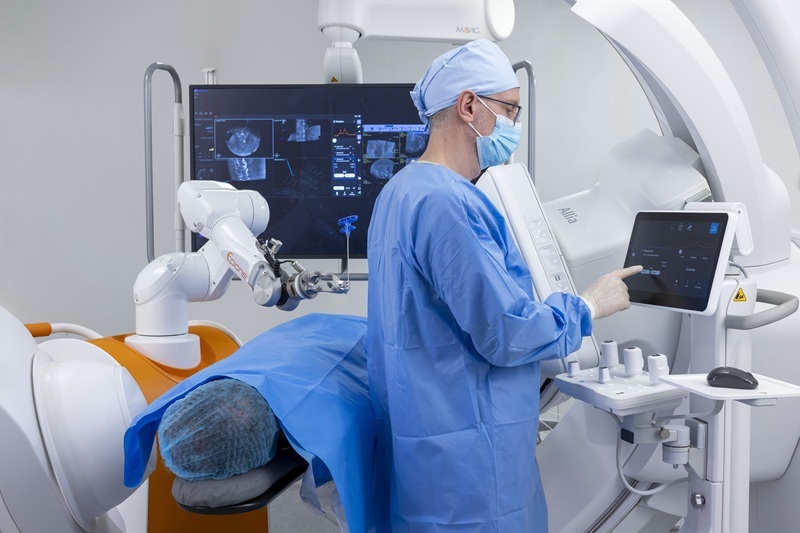
KARL STORZ Builds an Open Ecosystem for the Future of Robotic Surgery
21 August 2026 | Interaction | By By Editor Robotics Business NEWS <editor@rbnpress.com>
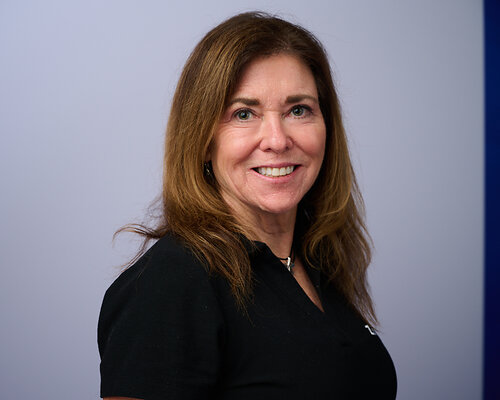
Christy Gaudet discusses interoperability, AI, connected operating rooms, and strategic partnerships shaping the future of digital and robotic surgery.
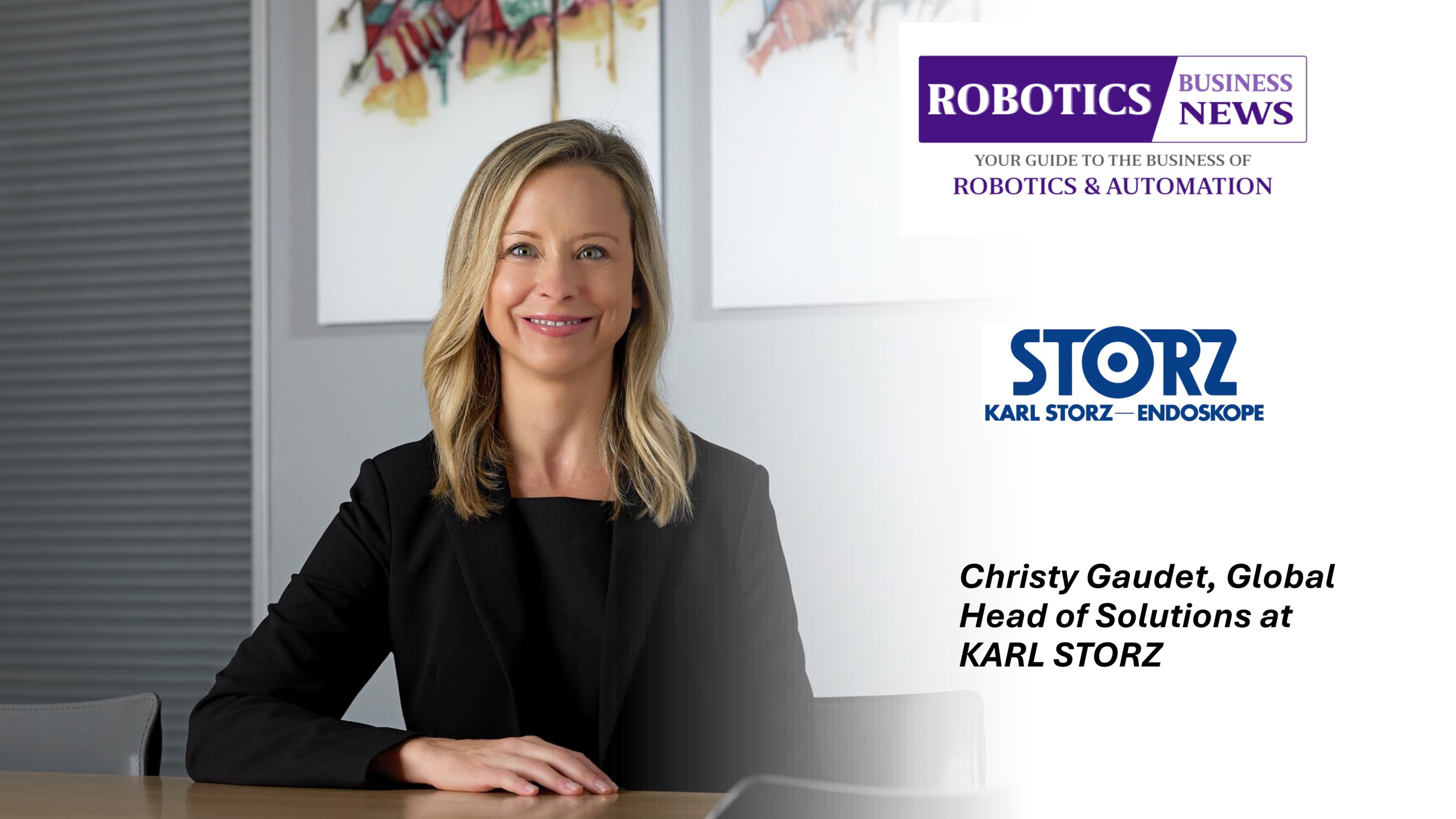
Robotics Business News speaks with Christy Gaudet, Global Head of Solutions at KARL STORZ, about the company’s strategy for building an open and connected robotic surgery ecosystem. In the conversation, Gaudet explores how KARL STORZ is combining robotics, advanced 3D visualization, AI-powered surgical platforms, digital operating room integration, and secure connectivity to improve surgical workflows. She also discusses the company’s partnerships with Moon Surgical and Sovato, the importance of interoperability, expanding access to advanced surgical technologies, and the future of AI-enabled, intelligent operating rooms.
KARL STORZ has announced strategic partnerships to expand its robotics ecosystem in the U.S. What is the long-term vision behind building an open and collaborative robotic surgery ecosystem rather than a standalone platform?
At KARL STORZ, we believe the future of robotic surgery will be driven by collaboration, connectivity, and interoperability. Rather than building a closed, standalone platform, our strategy is to bring together best-in-class technologies that complement each other and integrate into existing clinical environments. Our partnerships with Moon Surgical and Sovato reflect this approach. By combining robotic assistance, advanced 3D visualization, digital OR integration, and connectivity solutions, we aim to create a flexible ecosystem that can evolve with the needs of healthcare providers. This vision extends beyond robotics alone. With the recent launch of OR1™ X Pro that is now available in Europe and MEA with more markets to follow, we are bringing visualization, device connectivity, collaboration capabilities, workflow automation, and operational data together on a single integration platform. In this context, robotic technologies are one layer of a broader connected surgical ecosystem that supports smarter workflows, future AI-enabled innovation, and better experiences for both surgical teams and patients.
Your collaborations with Moon Surgical and Sovato combine robotic-assisted surgery, advanced 3D visualization, and digital operating room technologies. How do these complementary capabilities improve surgical efficiency and patient outcomes?
The combination of AI-powered surgical workflow support, advanced 3D visualization, and digital connectivity helps create a more seamless surgical workflow. With Moon Surgical, KARL STORZ 3D 4K visualization and instrumentation are combined with Maestro®, an AI-powered surgical platform designed to support surgical teams by increasing predictability and reducing variability across teams, sites of care, and procedures. Together, these capabilities help create a stable visual field and support more standardized and efficient surgical workflows. Through our partnership with Sovato, surgeons and clinical teams can collaborate remotely using secure connectivity and high-quality surgical visualization. This creates new opportunities for mentoring, training, and procedural support across locations. Together, these complementary technologies can improve workflow efficiency, facilitate knowledge sharing, and help make specialized expertise more broadly accessible. Ultimately, our goal is to support surgical teams in delivering high-quality care through connected, efficient, and flexible surgical environments.
Interoperability is becoming increasingly important in modern operating rooms. How does KARL STORZ ensure seamless integration between visualization systems, robotics platforms, and digital surgical workflows across different healthcare environments?
Interoperability is a core design principle at KARL STORZ. We see that healthcare professionals increasingly expect technologies from different providers to work together seamlessly. Our experience based on the installation of more than 15,000 integrated operating rooms worldwide has given us deep expertise in creating connected surgical environments. Our OR1™ integration platform demonstrates this approach by bringing together visualization systems, device connectivity, clinical information systems, and digital workflows within a unified operating room environment. It is designed to simplify interactions between technologies while reducing manual steps and supporting more efficient workflows. Combined with our new partnerships with Moon Surgical and Sovato, this provides a strong foundation for integrating robotic technologies, advanced visualization, connectivity solutions, and future AI-enabled applications into seamless clinical workflows. Our goal is to ensure that technology adapts to the individual needs of surgical teams so they can focus on what matters most: patient care.
AI-native surgical platforms are transforming minimally invasive surgery. How do you see artificial intelligence and real-time data analytics enhancing robotic-assisted procedures over the next five years?
We see AI as a crucial enabler of future surgical innovation. Over the next five years, AI and real-time data analytics are expected to support workflow optimization, procedural consistency, and data-driven decision-making throughout the surgical process.
Our collaboration with Moon Surgical reflects the growing importance of AI-enabled workflow automation in minimally invasive surgery. Technologies such as Maestro® are designed to support surgical teams by increasing predictability and reducing variability across teams, sites of care, and procedures. At the same time, we provide an AI-ready infrastructure that combines high-quality visualization, workflow data, and digital connectivity. Through partnerships such as Sovato, these capabilities are complemented by secure digital connectivity and remote collaboration solutions. As surgical ecosystems become more connected, AI can help automate routine administrative tasks, support workflow optimization, and generate actionable insights that allow surgical teams to focus more on patient care.
Most importantly, we see AI as a tool that enhances clinical decision-making and effectively supports surgeons, while keeping them firmly in control.
One objective of these partnerships is to make advanced robotic surgery more accessible, including in ambulatory surgery centers and rural hospitals. What are the biggest barriers to broader adoption, and how are you addressing them?
Key challenges include resource constraints, training requirements, workflow integration, and access to specialized expertise, particularly in ambulatory surgery centers and rural hospitals. Our partnerships are designed to help address these challenges. Moon Surgical supports efficient surgical workflows through Maestro®, an AI-powered surgical platform designed to support surgical teams by increasing predictability and reducing variability across teams, sites of care, and procedures, combined with advanced visualization and workflow integration. Sovato addresses another important barrier by enabling remote collaboration, mentoring, and training opportunities through secure connectivity. At KARL STORZ, we believe accessibility is about more than technology alone. It also means creating solutions that fit smoothly into existing clinical workflows and support healthcare providers in delivering high-quality care. By focusing on flexibility, connectivity, and interoperability, we aim to help make advanced surgical technologies available across a broader range of healthcare settings.
With more than 15,000 integrated operating rooms worldwide, how does KARL STORZ leverage its experience in connected surgical environments to accelerate innovation within this new robotics ecosystem?
Our broad experience with thousands of installations of integrated operating rooms and imaging systems worldwide provides a strong foundation for innovation. Over many years, we have developed expertise in connecting visualization, workflow management, clinical information systems, and digital technologies within complex surgical environments. Our OR1™ integration platform demonstrates how we are evolving OR integration beyond traditional device connectivity toward a unified platform that combines visualization, collaboration, operational data, workflow automation, and future AI capabilities. These insights help us understand how new technologies can best support surgical teams and integrate into everyday clinical practice. As we expand our robotics ecosystem through partnerships such as Moon Surgical and Sovato, we are leveraging this experience to help ensure new technologies deliver meaningful value, operational efficiency, and a seamless user experience.
As hospitals increasingly seek flexible, vendor-agnostic solutions, how important is an open ecosystem strategy compared with proprietary robotic platforms in driving the future of digital surgery?
We believe flexibility will be a defining characteristic of the future surgical environment. Healthcare organizations want solutions that enable them to adapt to changing clinical needs and benefit from ongoing innovation without being limited to a single technology approach.
An open ecosystem strategy allows providers to combine complementary technologies while preserving the flexibility to integrate future innovations. It promotes interoperability, reduces complexity, and supports more connected surgical workflows.
While proprietary platforms will continue to play a role, we believe healthcare providers increasingly value solutions that fit within a broader connected environment. Open and collaborative ecosystems encourage innovation across multiple technology layers and provide customers with greater choice. This philosophy is reflected in our partnerships with Moon Surgical and Sovato, which bring together complementary strengths to help create a more connected, flexible, and future-ready surgical ecosystem.
Looking ahead, what are the next major milestones for KARL STORZ's robotics ecosystem, and what new technologies or strategic collaborations can surgeons and healthcare providers expect in the coming years?
The partnerships with Moon Surgical and Sovato are important milestones in our broader robotics strategy, but they are also part of a longer journey toward a more connected surgical ecosystem. One of our priorities is further advancing connected and AI-ready surgical environments. We see significant opportunities at the intersection of AI-powered surgical platforms, advanced visualization, workflow automation, remote collaboration, and data-driven insights. Our vision is to move toward a zero-touch operating room, where technology works intelligently in the background, automating routine tasks, streamlining information flow, and providing real-time insights so surgical teams can focus more on patient care. Future milestones will focus on expanding interoperability, enabling more intelligent digital workflows, and supporting new models of connected care, training, and collaboration. Strategic partnerships will continue to play a key role in this journey, allowing us to combine complementary expertise and accelerate innovation. Ultimately, our goal is to help build a more open, connected, and intelligent surgical ecosystem that enables healthcare providers to deliver efficient, high-quality care while preparing operating rooms for the future of smart surgery.